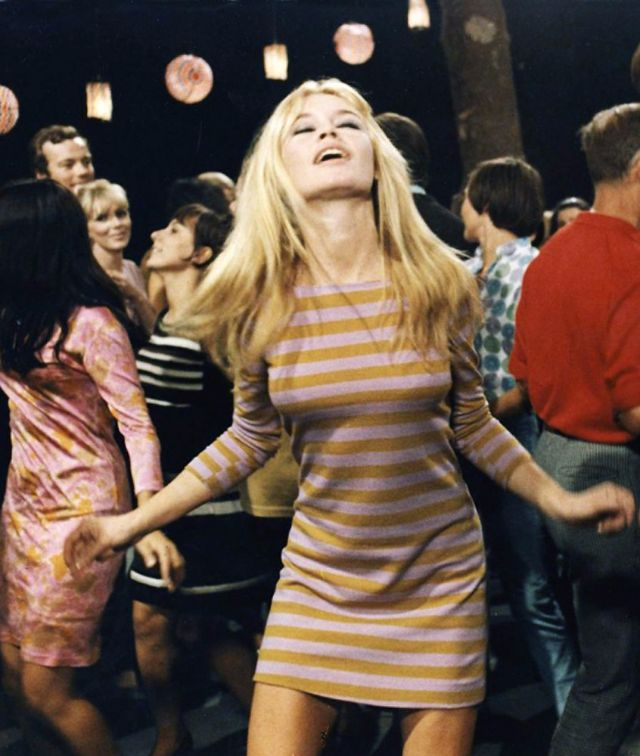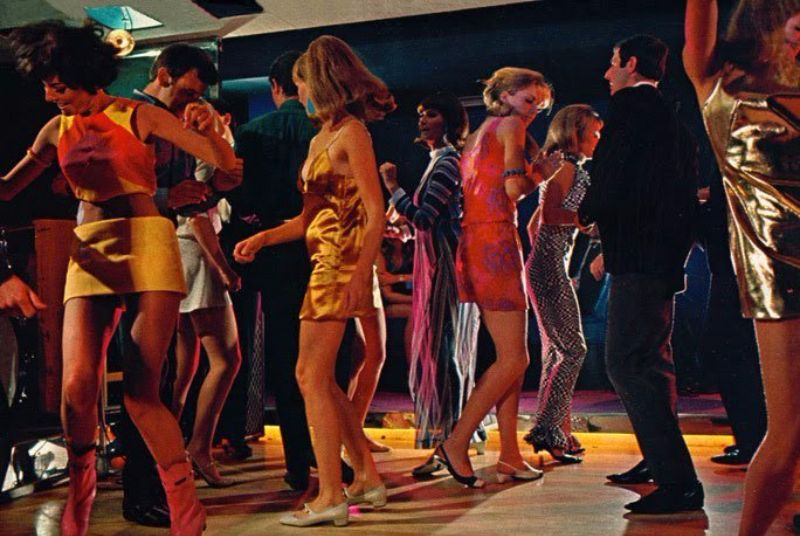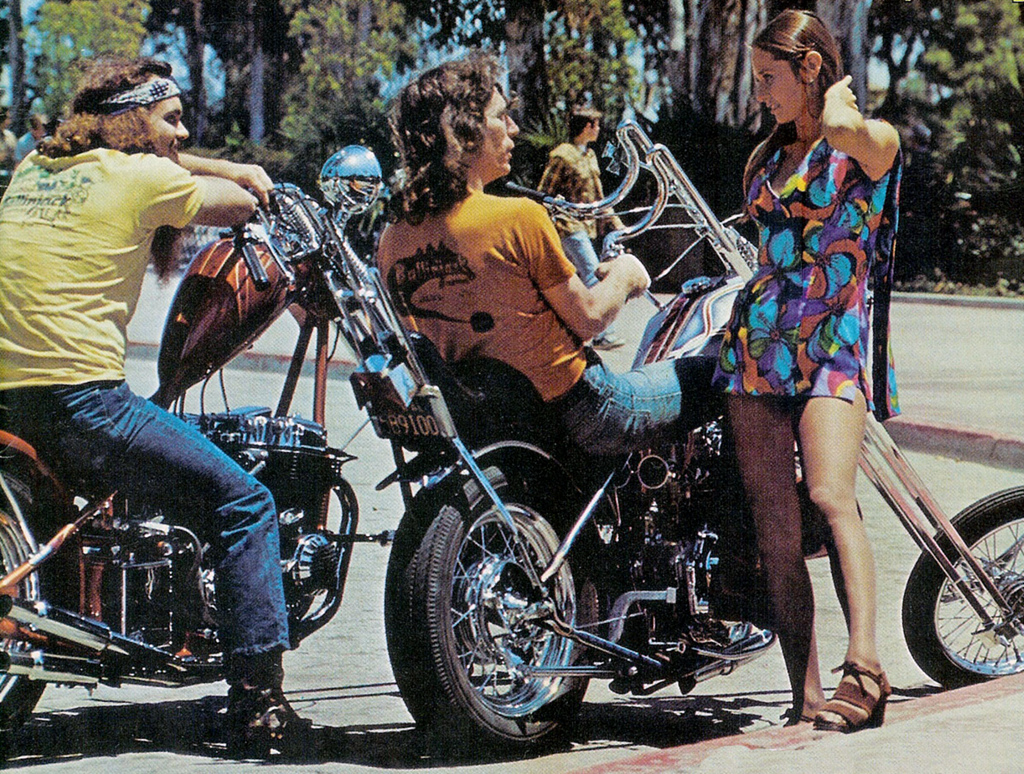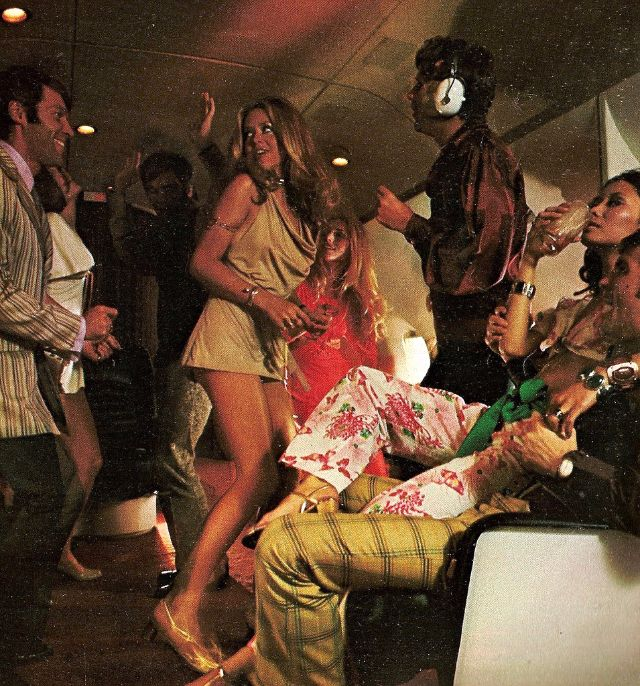
In the freewheeling 1960s, fashion wasn’t just changing—it was making noise. The miniskirt arrived like a shockwave, turning heads, thrilling some, and scandalizing others as it pushed straight against the era’s old rules.
By lifting the hemline boldly above the knee, the miniskirt became more than a trend. It signaled freedom, self-expression, and a new kind of feminine defiance—one that said women could dress for themselves, not for permission.
And the impact went far beyond closets. This single style helped fuel a wider cultural shift, reflecting (and accelerating) a decade defined by rebellion, youth power, and breaking tradition.
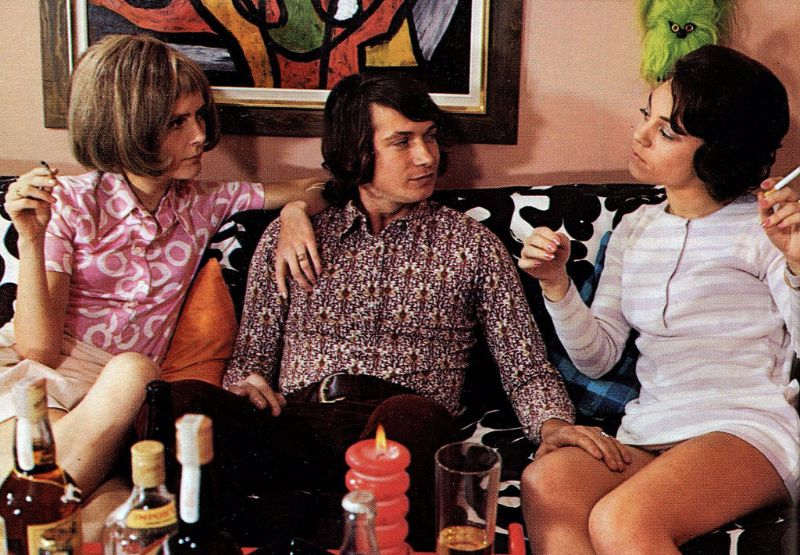
The origins of the miniskirt are most commonly linked to Mary Quant, the trailblazing British designer widely credited with bringing the look into the spotlight. In the mid-1960s, she unveiled a dramatically shorter skirt that jolted the fashion world and quickly caught fire.
At the time, mainstream women’s fashion leaned conservative, with hemlines sitting at the knee or below. Quant wanted to break that mold—creating something that matched the new energy on the streets: youthful, fearless, and impatient with old expectations.
Her version, cut several inches above the knee, wasn’t just a new silhouette. It was a statement—capturing the mood of a generation ready to rewrite the rules.
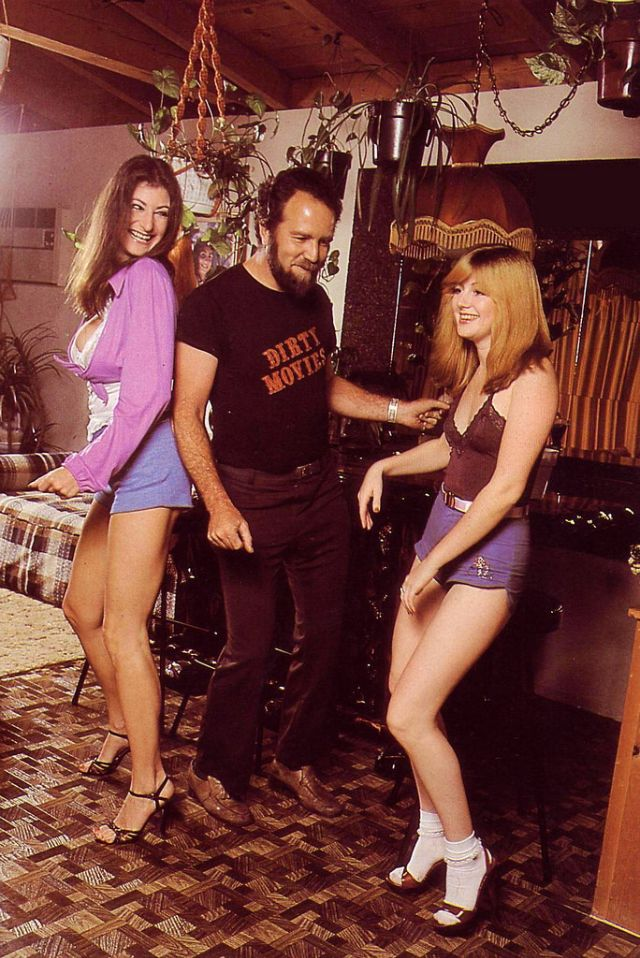
The miniskirt didn’t just become popular—it became the look that captured the mood of the Swinging Sixties. As ideas about gender roles, sexuality, and women’s independence were shifting fast, the miniskirt felt like fashion keeping pace with social change.
With feminism and the broader women’s rights movement gaining momentum, many women embraced the miniskirt as a visible sign of confidence and self-determination. It wasn’t only about showing more leg—it was about choosing for yourself, on your own terms.
By refusing the old “proper” rules of dress, the miniskirt challenged expectations and gave women a fresh sense of freedom to experiment, stand out, and express personal style without apology.
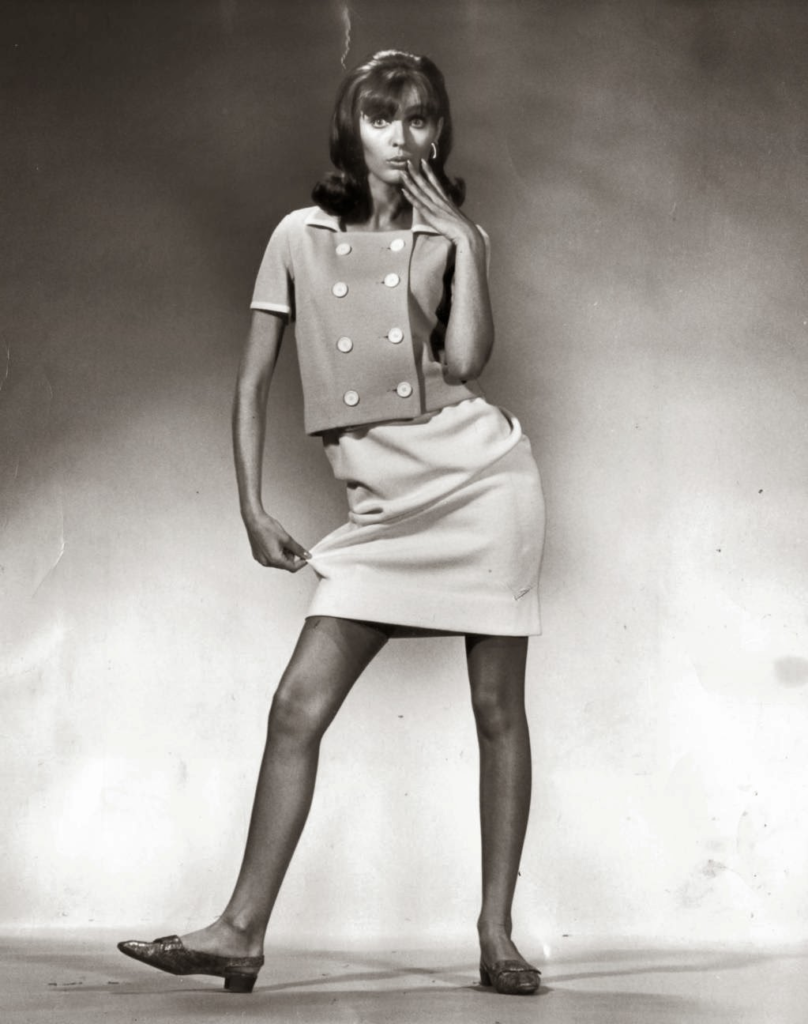
In August 1961, Life ran a photo of two Seattle students at the University of Hawaiʻi wearing above-the-knee outfits known as “kookie-muus,” pointing to a growing teen craze for shorter skirts that was already driving hemlines noticeably higher.
The same piece highlighted stylish young women in San Francisco wearing skirts “just above the kneecap,” along with students at Vanderbilt University sporting “knee ticklers” cut about three inches above the knee for golfing. The captions also noted that these shorter styles were selling strongly in the South—and that in Atlanta, some girls were even trimming older skirts into bold “thigh high” lengths.
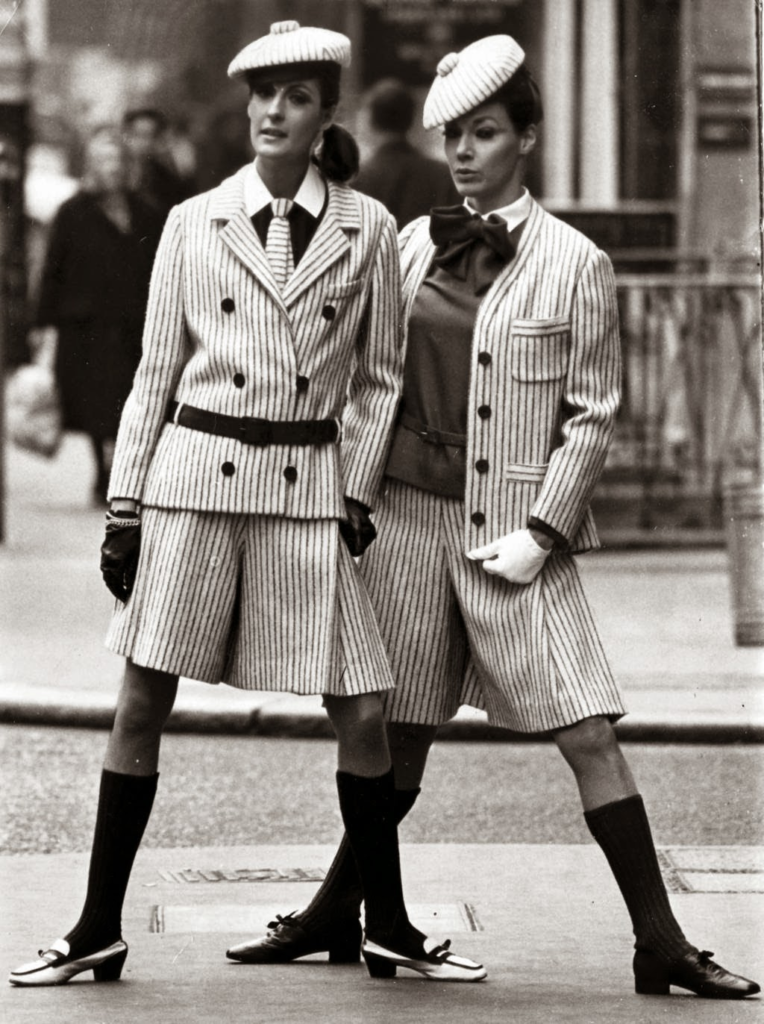
By the summer of 1962, Britain was already seeing skirts cut dramatically short—sometimes rising as much as eight inches above the knee—signaling that the hemline shift was becoming impossible to ignore.
Young women who embraced the look were often labeled “Ya-Ya girls,” a nickname drawn from the “yeah, yeah” catcall that was common at the time.
Retailers also noticed that styling trends were pushing lengths even further: layered net crinoline petticoats, worn underneath, added volume and lift—making short skirts sit higher and appear even bolder.
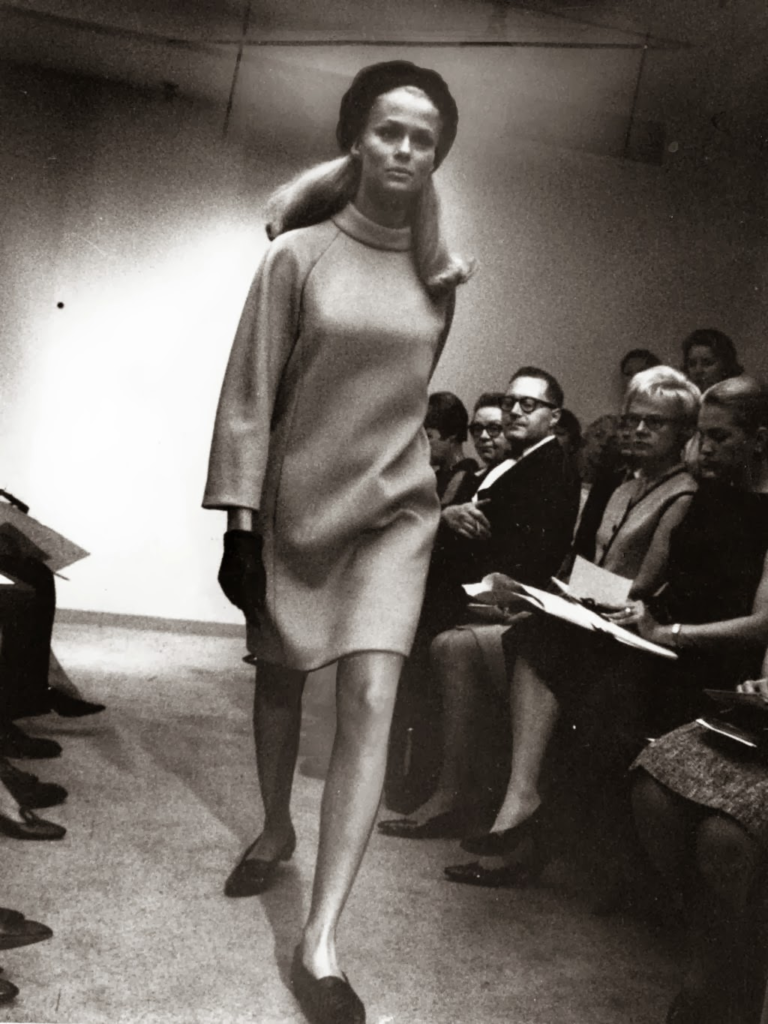
In the early 1960s, the “acceptable” hemline—both on the street and in designer collections—typically sat at mid-knee, usually brushing or just covering the knee.
Over the next few years, that line crept steadily upward. By 1964, mainstream models were openly showing the knee, especially after designers like André Courrèges and Mary Quant presented unmistakably above-the-knee looks.
Then came the bigger leap: in 1965, skirts climbed again as British miniskirts made their splashy U.S. debut at a New York City show—where the thigh-high lengths were so attention-grabbing they reportedly stopped pedestrians in their tracks.
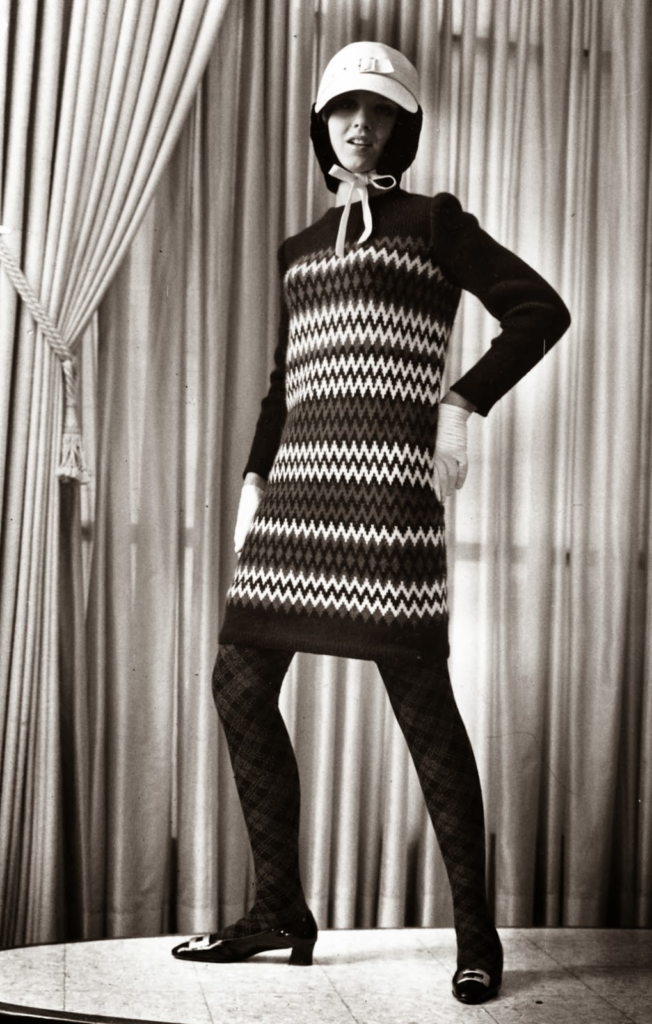
By 1966, many styles had pushed the hemline all the way up to the upper thigh, making the miniskirt look unmistakable—and impossible to miss. Traditional stockings held up with suspenders (American English: “garters”) simply didn’t work well with such short lengths, so they were largely replaced by brightly colored tights that looked cleaner and stayed put.
For extra coverage (or just extra style), legs were often paired with knee-high socks or boots in a range of heights: lower-calf boots were especially common around 1964–65, knee-highs were a steady favorite throughout the era, and by 1967–69 the trend leaned bolder with over-the-knee and thigh-high boots. Some even went all-in with “boot-hose” or body boots—waist-high tights fused with a shoe sole and heel, frequently made in stretchy vinyl for that sleek, futuristic look.
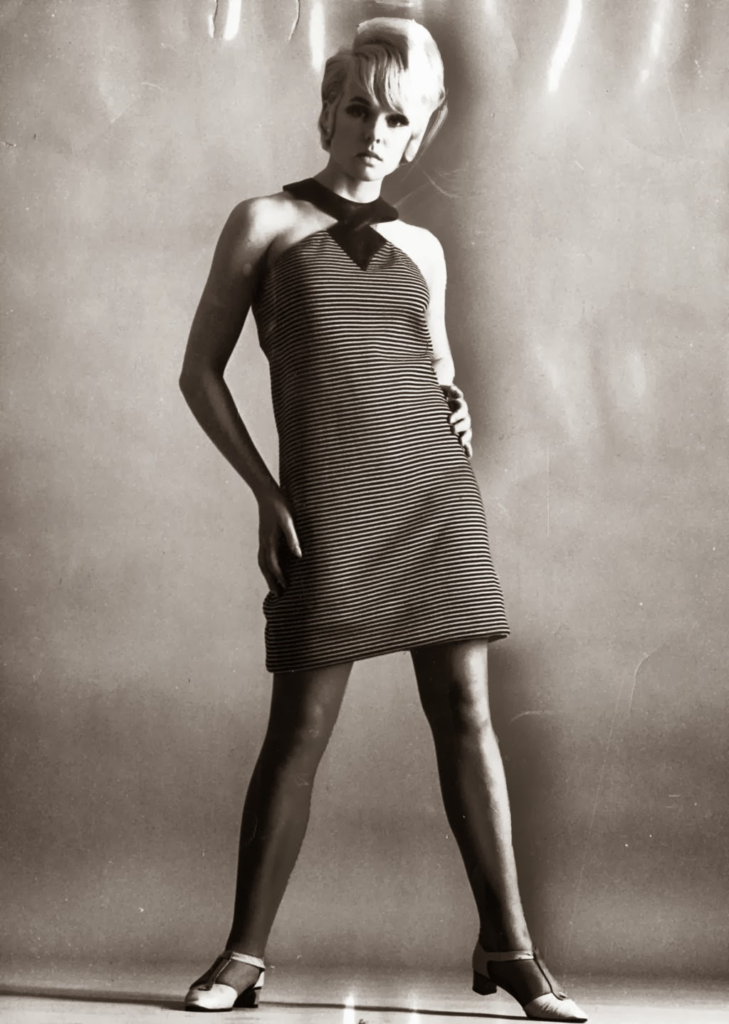
In the same spirit of showing off the leg, sandals often came with straps or laces that wrapped and climbed upward—sometimes winding all the way to the thigh. For a brief stretch, body paints were even marketed as a way to tint and decorate the legs, giving wearers a more personalized look than tights could offer.
As the decade neared its close, the hemlines didn’t stop—they shrank further. An ultra-short spin on the trend appeared, commonly called the microskirt or “micro-mini,” taking the miniskirt idea to its most extreme form.
As for who “invented” the miniskirt, credit is still debated, with several designers named over the years. The two figures most often highlighted are the Mary Quant in London and the André Courrèges in Paris.
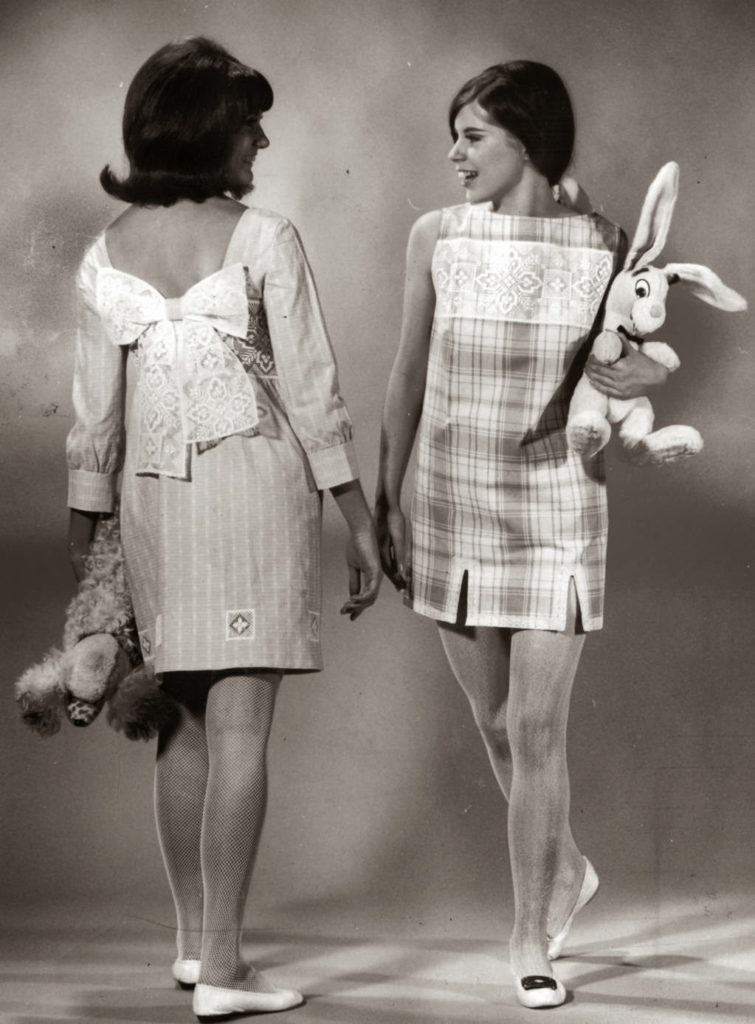
Although Mary Quant is often said to have named the skirt after her beloved Mini, there still isn’t a universally agreed-upon answer about who truly created the miniskirt first.
Fashion historian Valerie Steele has argued that the evidence supporting Quant’s “first” claim is stronger than the case usually made for André Courrèges.
But not everyone points to either of them. Influential fashion journalist Marit Allen—best known for editing the “Young Ideas” pages at British Vogue—insisted that John Bates was actually the first designer to offer miniskirts that were truly fashion-forward.
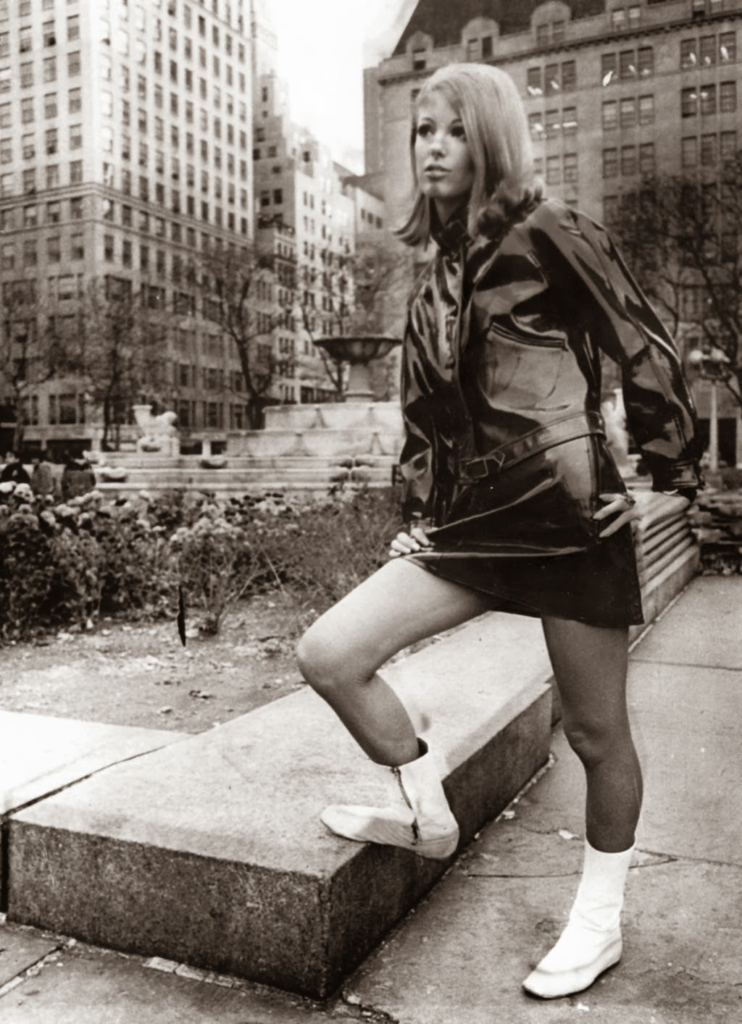
Other designers were pushing hemlines upward too, including Pierre Cardin and Yves Saint Laurent, showing that the “shorter skirt” wave was bigger than any single name.
And like any major cultural shake-up, the miniskirt arrived with plenty of backlash. Detractors called it improper, indecent, or even degrading—arguing it reduced women to their bodies and crossed lines of public respectability. The trend quickly sparked heated arguments about modesty, morality, and what society expected women to look like in public.
Supporters saw it completely differently. To them, the miniskirt was about agency—an unapologetic way to express personality, challenge outdated rules, and claim the simple right to decide what to wear without being policed.
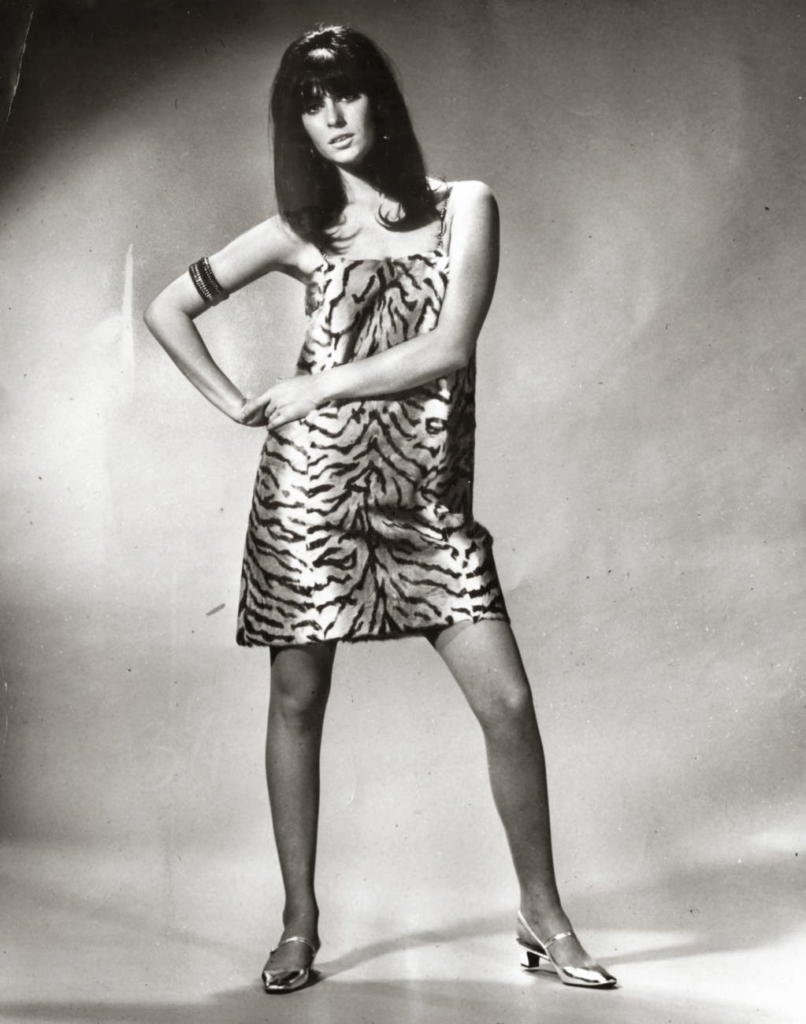
The miniskirt’s story didn’t end with the 1960s—it kept echoing through fashion for decades, and you can still see its fingerprints in modern style today.
By normalizing the idea that women could choose bold, boundary-pushing looks, the miniskirt opened the door to even more freedom in clothing. It challenged the “rules” around what was acceptable and encouraged designers—and everyday fashion lovers—to experiment without asking permission.
That influence shows up in everything from the wide mix of hemlines and silhouettes on today’s runways to the countless street-style variations seen worldwide, where personal expression is still the point.
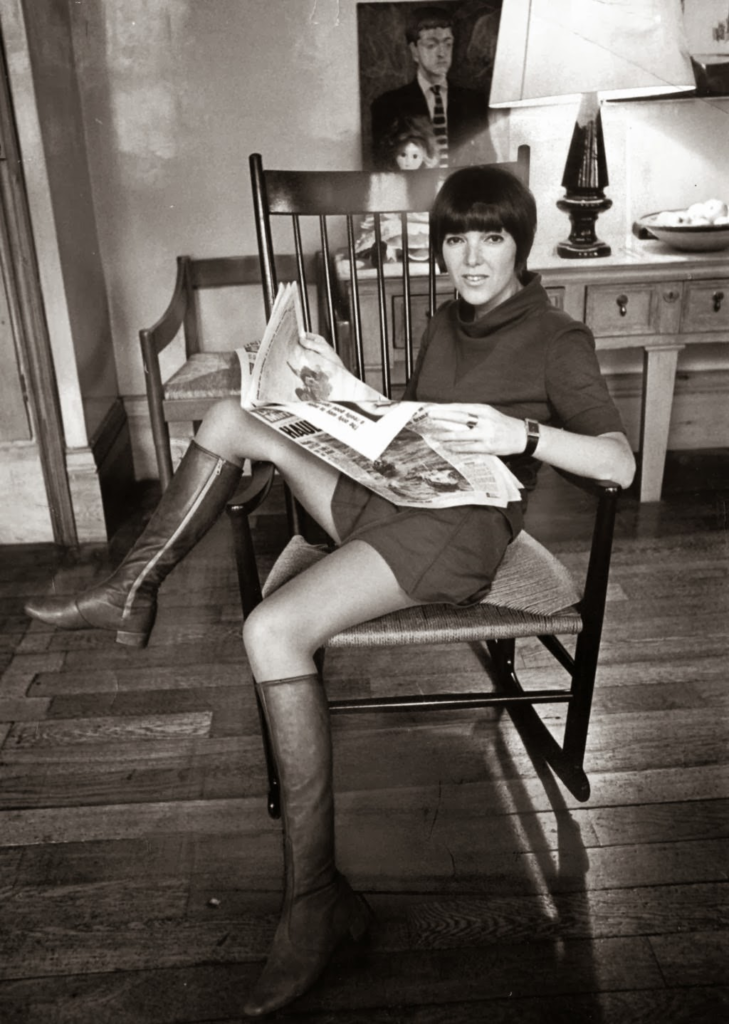
Mary Quant—the glamorous, long-legged designer from London—was often described as the perfect walking advertisement for the miniskirts that defined the era. She reportedly coined the name ‘mini’ after the Mini Cooper, the car she loved most. — UPI, Oct. 21, 1967 (as reprinted by Chicago Tribune)