Advertising is one of the easiest ways to watch society change in real time. Every campaign is basically a snapshot of what people craved, feared, admired, or aspired to—so the more you look back, the more you realize how different “normal” used to be.
And if you judge an era by its old ads, the past can start to feel downright surreal. What once seemed clever or appetizing can read today like a strange time capsule from another planet.
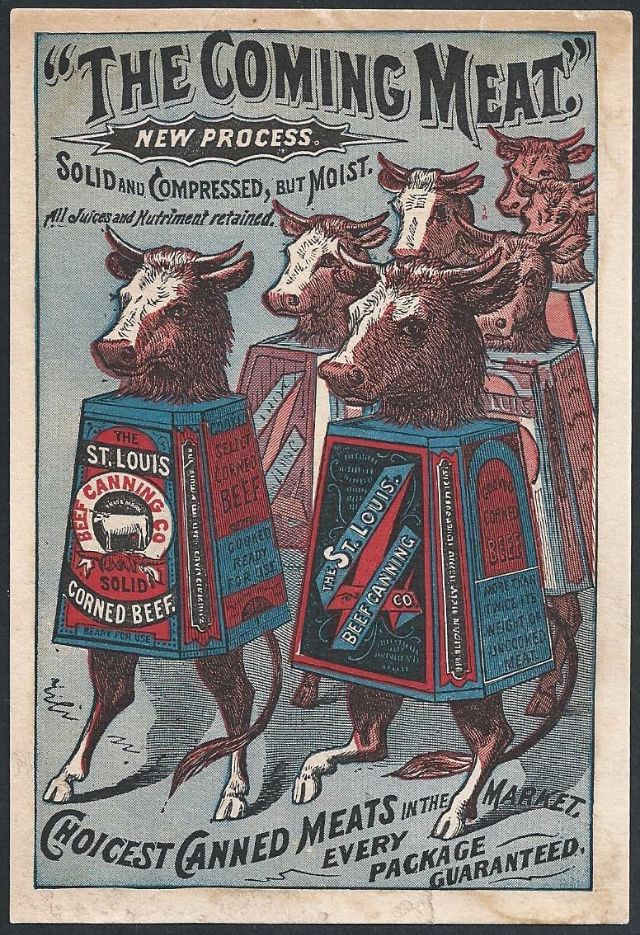
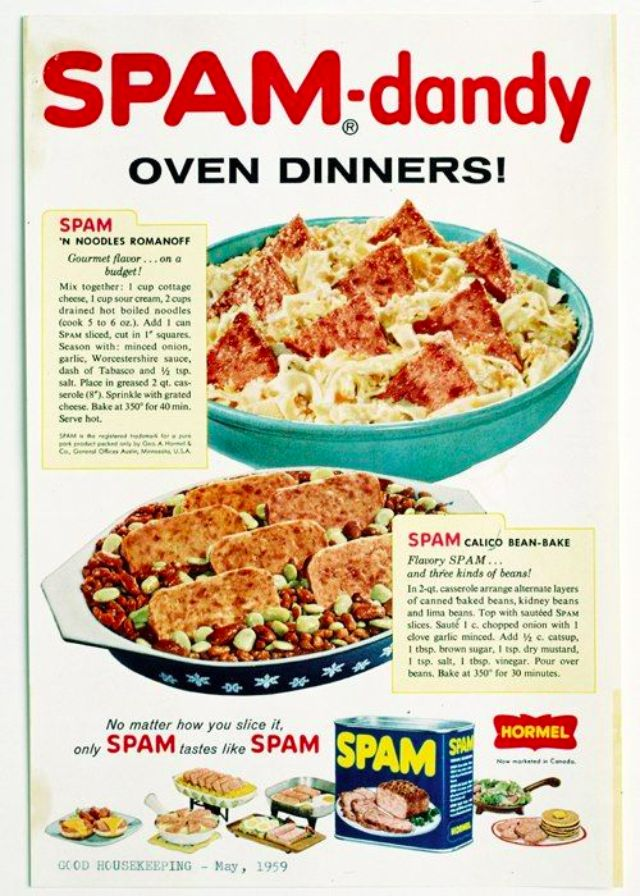
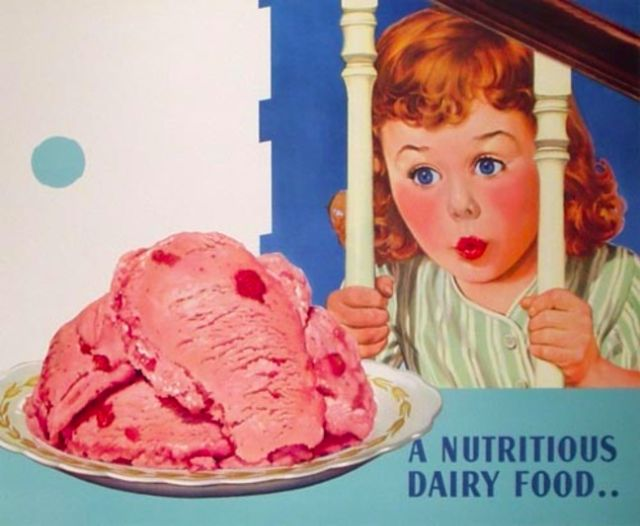
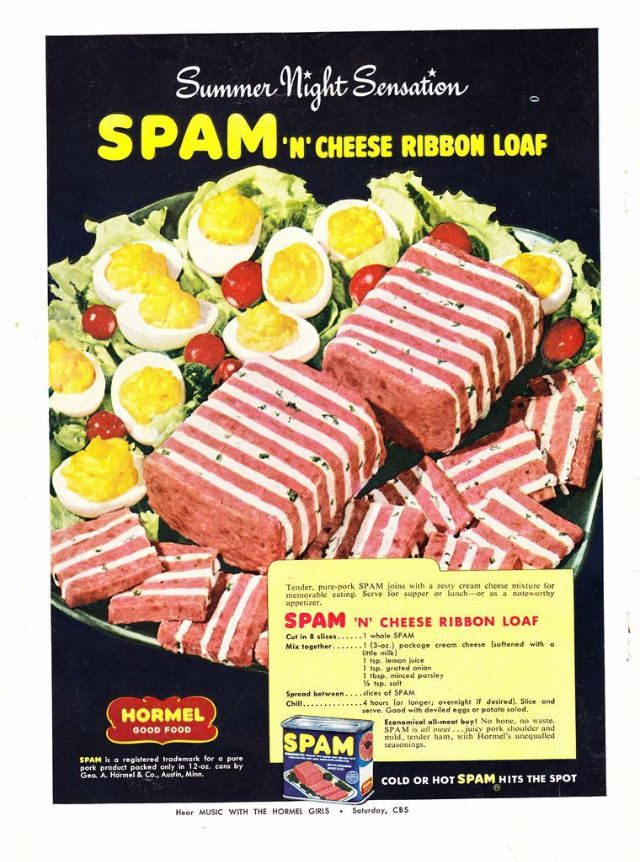
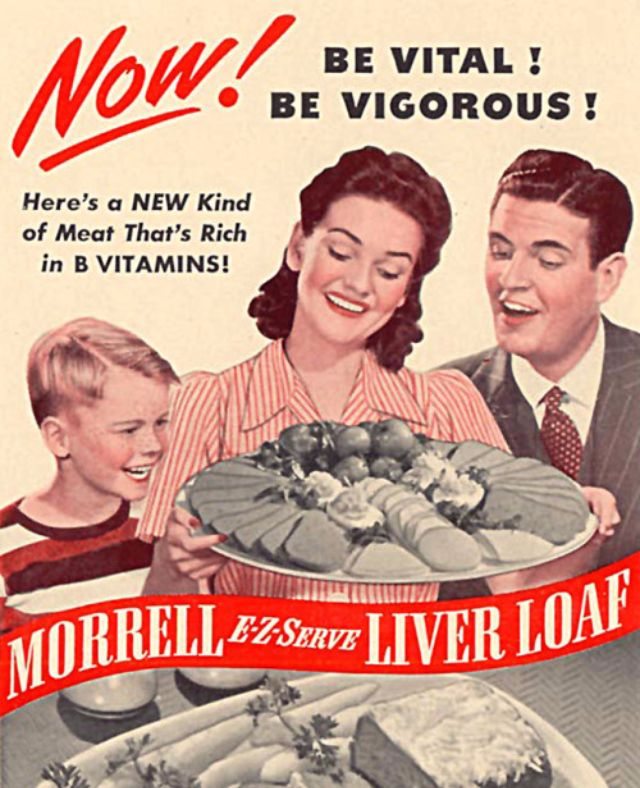
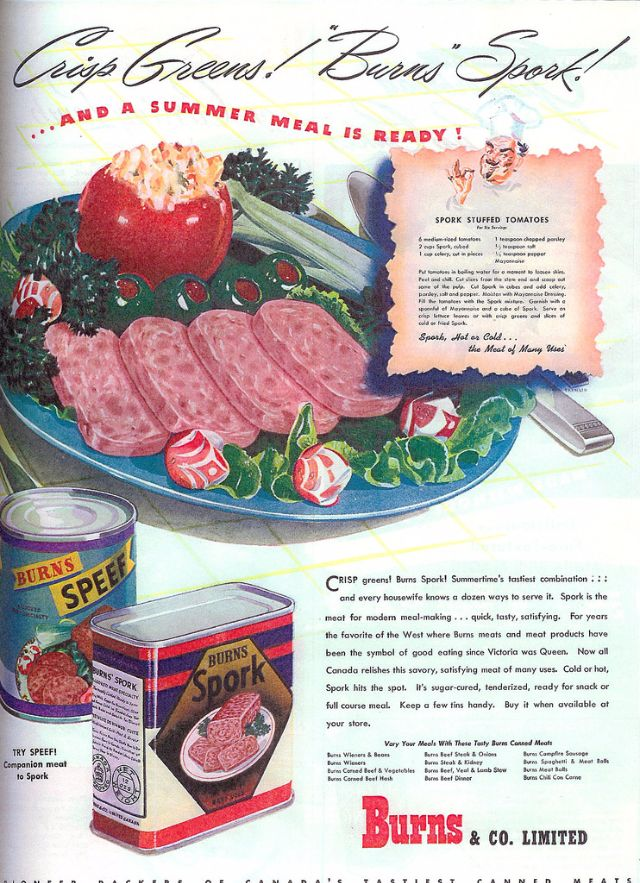
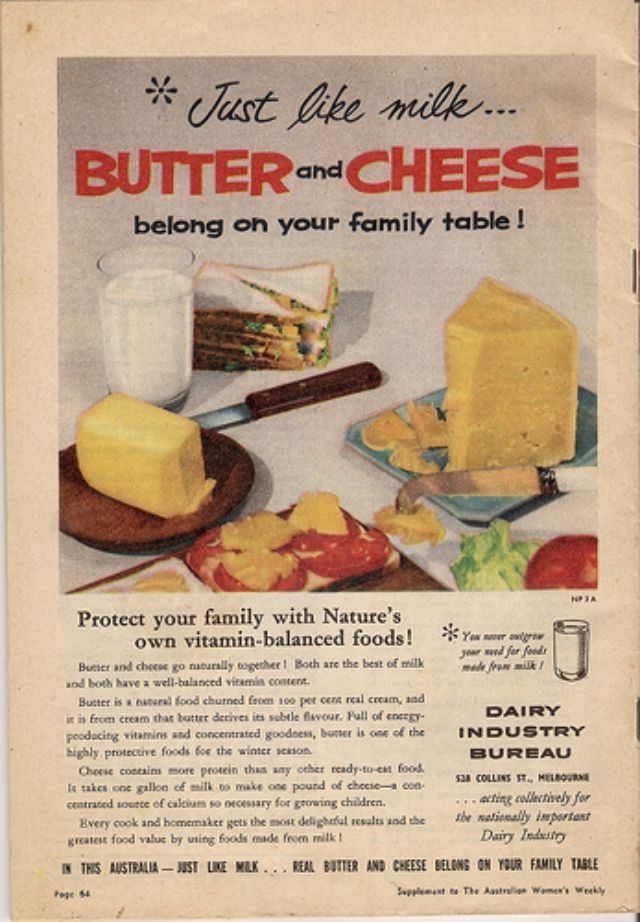
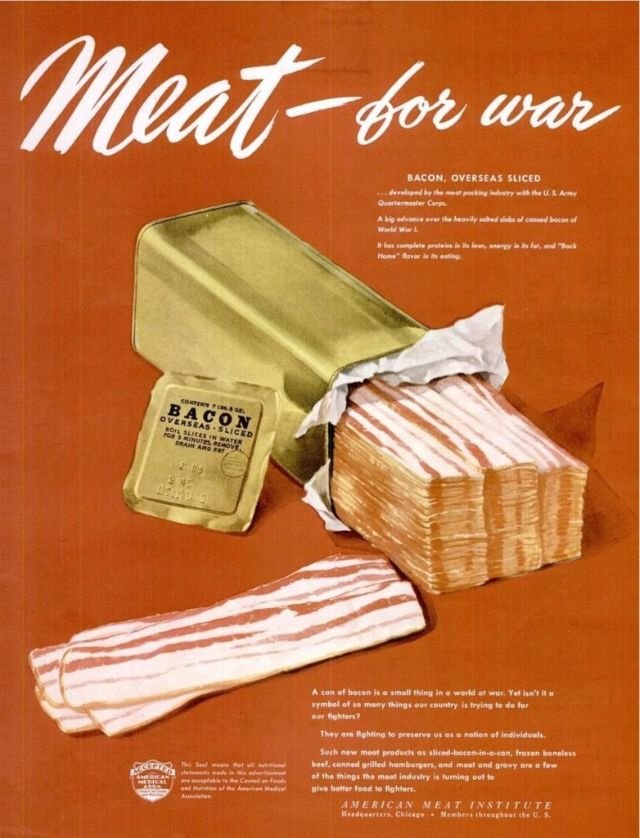
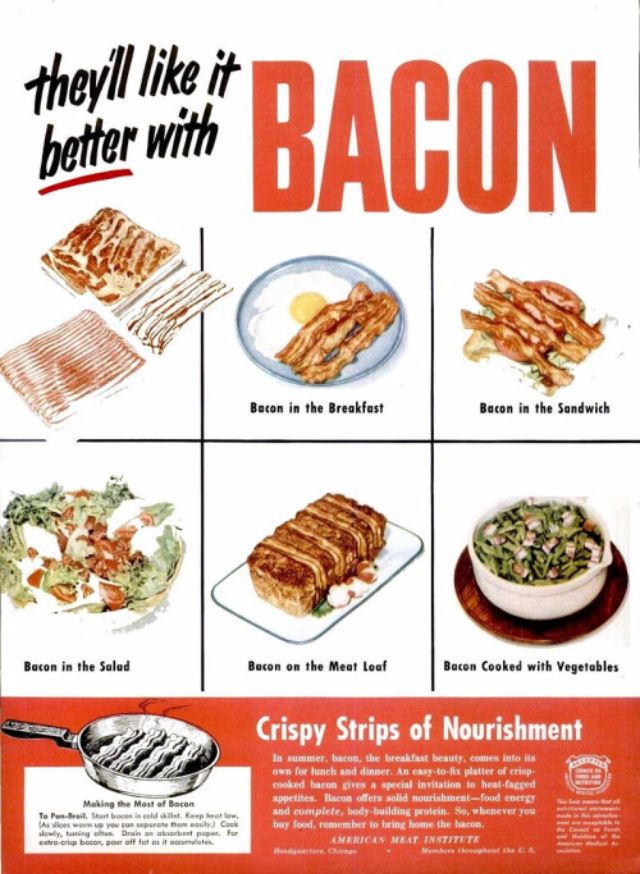
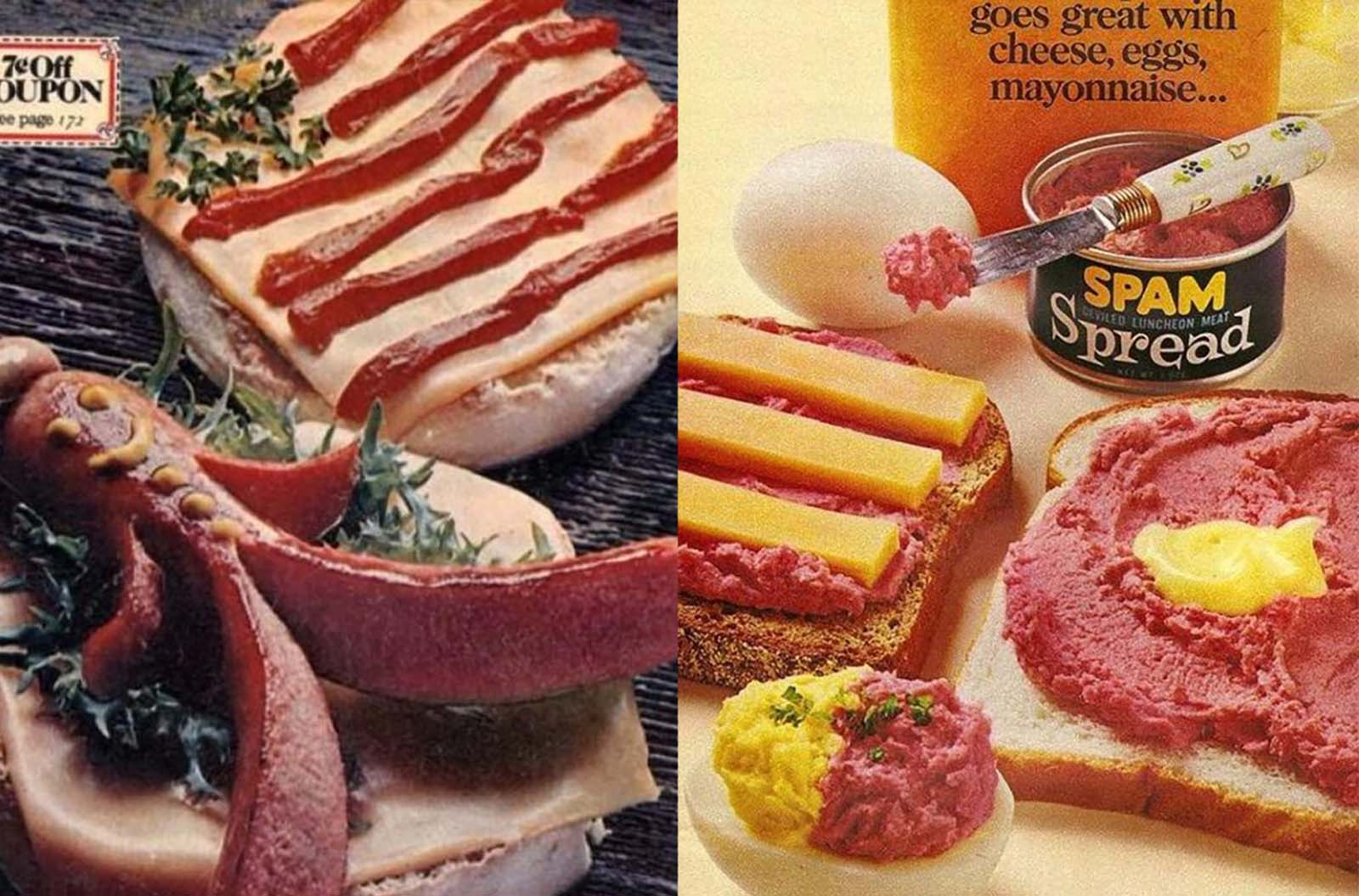
The vintage food ads in these photos—mostly from the 1950s and 1960s—often come off as awkward or even offensive by today’s standards. But they also reveal something fascinating: how food preferences, diet culture, and everyday eating habits have shifted across generations.
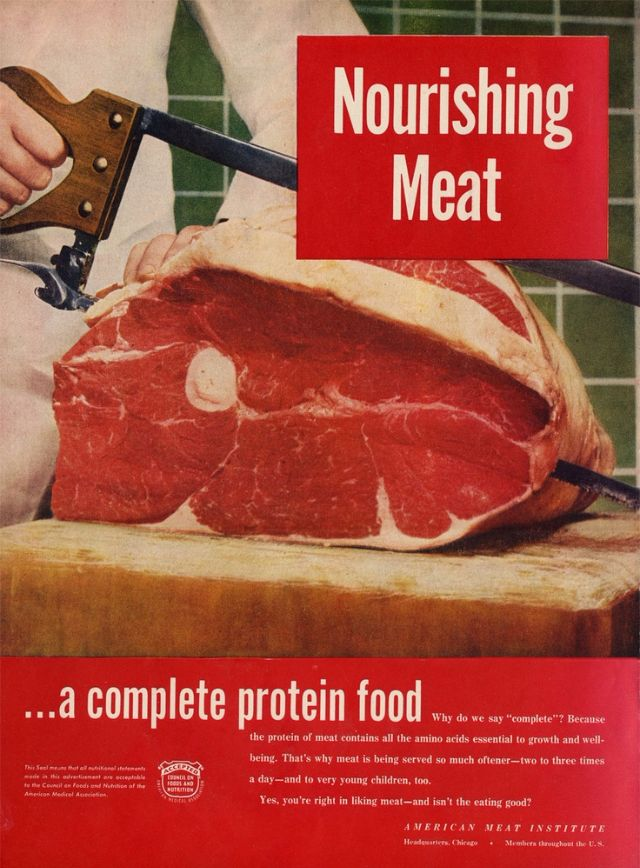
The 1950s and 1960s were a time when most American women weren’t working outside the home, and family life often revolved around a single-car household and a daily routine centered on the kitchen. Fast food hadn’t yet taken over the landscape, and married women were commonly labeled “housewives” or “homemakers”—titles that carried a lot of social expectation.
For many families, restaurant meals weren’t an everyday convenience. Dining out was more of a treat—something saved for birthdays, anniversaries, or special nights. That’s exactly the emotion advertisers leaned into, selling food not just as a product, but as a reward, a celebration, and a picture of the “good life.”
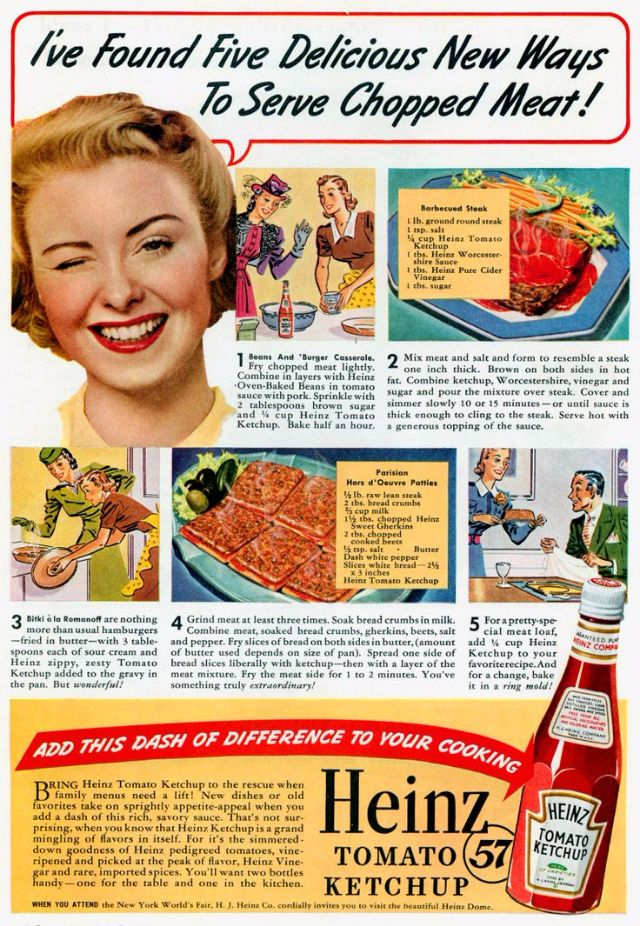
A large share of food advertising was aimed directly at women, since they were typically seen as the primary shoppers and decision-makers for meals at home. Brands didn’t just sell products—they sold convenience, “good mother” approval, and the promise of a happier household.
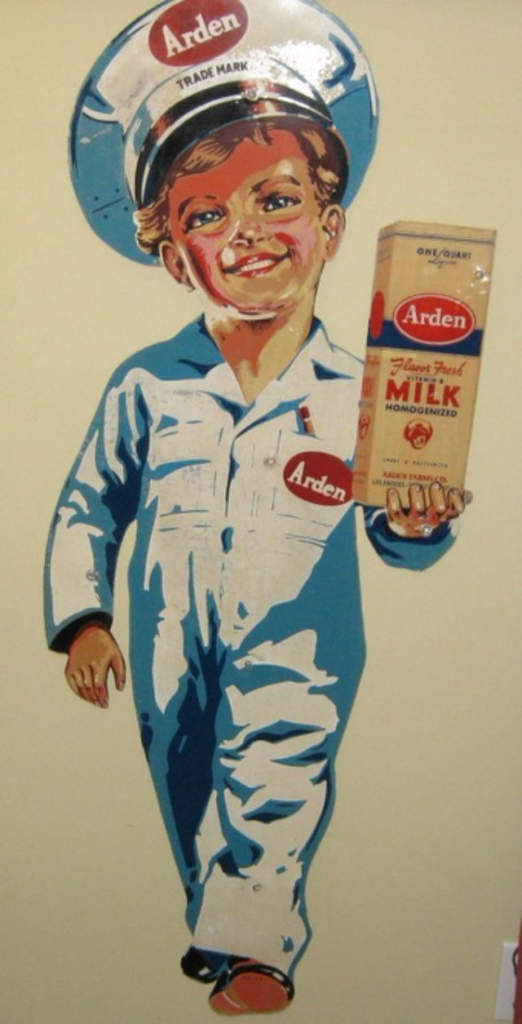
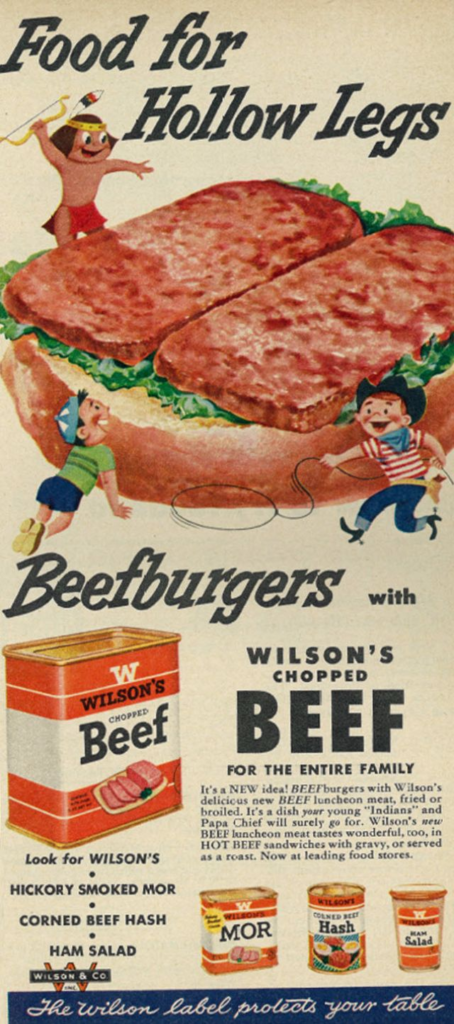
At the same time, marketers quickly realized that kids could be powerful influencers. Because children often tagged along on grocery trips and had strong opinions about snacks and treats, many campaigns were designed to win them over too—turning young voices into extra pressure at the checkout line.
Newspapers and magazines have been advertising powerhouses for generations, giving brands a direct line into people’s homes and daily routines. Long before TV spots and social media ads, print pages were where companies fought for attention—and where consumers learned what was “new,” “better,” or “essential.”
In the United States during the 1930s and 1940s, food and drink made up a surprisingly large share of print advertising. Roughly 20% of the products promoted in major women’s and household magazines fell into the food-and-beverage category, showing just how central grocery buying and meal planning were to everyday life.

In the early 1900s, psychologists Walter Dill Scott and John B. Watson helped bring applied psychology into advertising, shaping how marketers thought about attention, emotion, and persuasion.
Scott argued that people aren’t guided only by logic. In his view, humans may be capable of reasoning—but they’re even more responsive to suggestion, meaning a well-crafted message can steer choices before the “rational” mind even catches up.
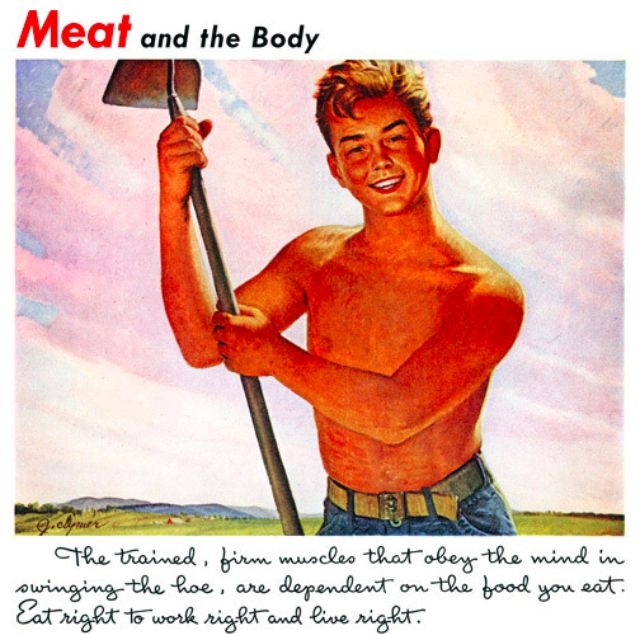
Scott tried to prove his point with a simple but powerful tactic: giving consumers a clear, direct instruction. Instead of relying on long explanations, his ads often pushed people toward an action with confident command-style language—because suggestion, he believed, could be more persuasive than logic.
Meanwhile, John B. Watson—a major figure in psychology during the 1920s and a former chair at Johns Hopkins University—left academia and moved into the advertising world. There, he applied behaviorist ideas to marketing, using concepts about conditioning and habit to shape how campaigns tried to trigger wants, routines, and buying behavior.
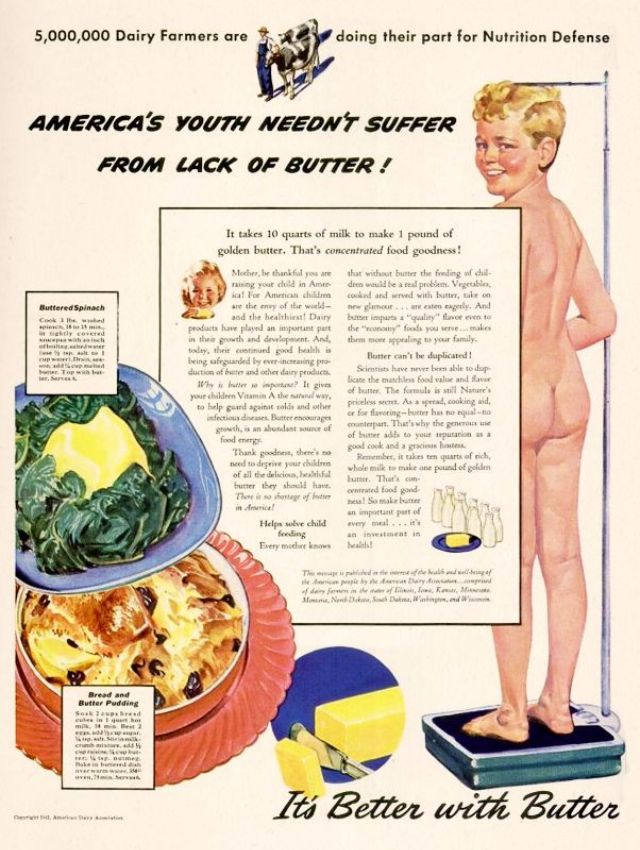
At the center of this approach was a simple idea: if you can trigger powerful emotions, you can trigger action. Instead of trying to “reason” people into buying, many campaigns aimed straight for primal feelings like love, hate, and fear—emotions that can override logic in a split second.
And it worked. This style of messaging fit the shifting social landscape of the time and proved highly persuasive, shaping how brands communicated for decades afterward. It also helped lock psychology into the advertising toolkit, making emotional and behavioral insights a permanent part of modern marketing strategy.
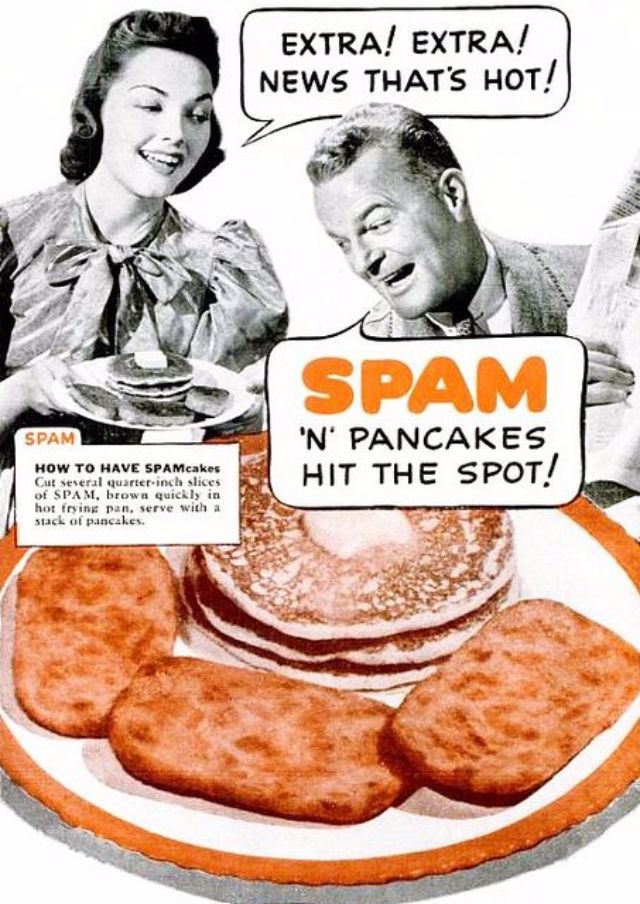
Postwar era advertising
In the booming years after World War II, millions of Americans poured into newly built neighborhoods—especially the fast-expanding suburbs—and spending surged right along with that move. Homes needed to be filled, so families invested heavily in appliances, furniture, clothing, and automobiles, turning everyday consumption into a defining feature of the era.
Then television arrived in the 1950s and blew the doors wide open for advertisers. Suddenly, brands could sell directly into living rooms with moving images, catchy jingles, and personalities viewers felt they “knew,” making ads more persuasive—and harder to ignore.
With car ownership common and leisure time growing, road trips and vacation travel became far more routine. Motels, tourism boards, and travel businesses jumped on the moment, pushing big, attention-grabbing campaigns to lure families onto the highway and into new destinations.
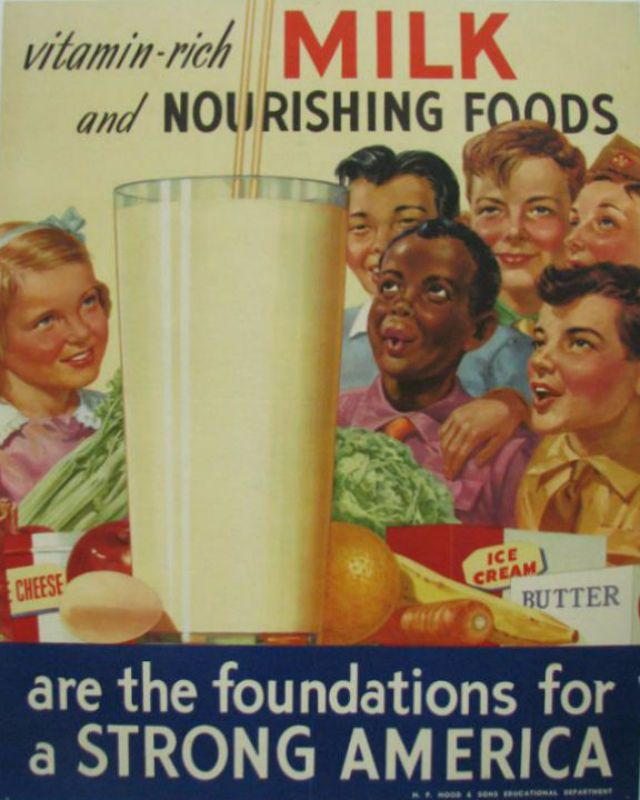
In the public-service world, the Ad Council leaned hard into promoting “Americanism” during the Cold War, rolling out campaigns like the Freedom Train, the Crusade for Freedom, Religion in American Life, Atoms for Peace, and People’s Capitalism.
At the same time, the Brand Names Foundation helped push the idea of brand loyalty and free enterprise by backing conferences, community-level promotions, and educational efforts designed to keep consumers attached to familiar names.
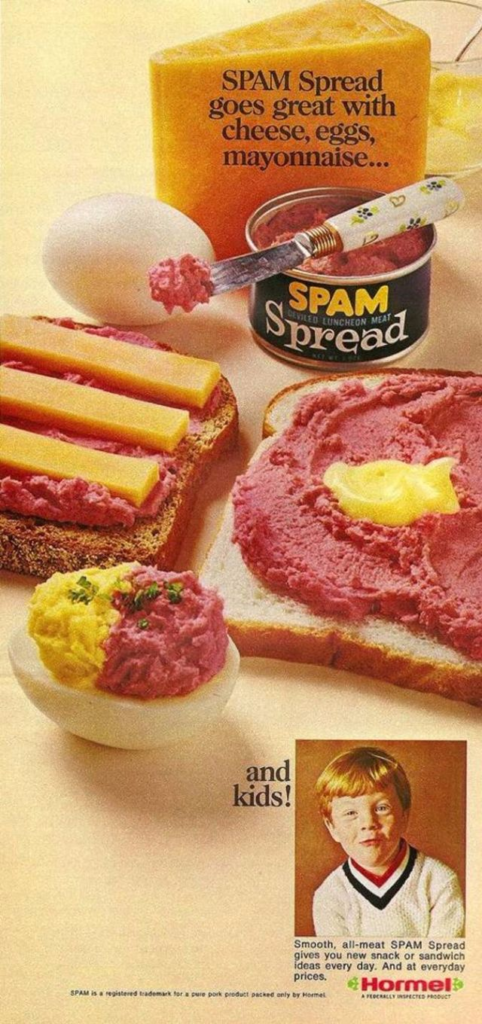
In The Hidden Persuaders (1957), popular writer Vance Packard pulled back the curtain on how advertisers were using motivational research and psychological methods—ranging from depth psychology to subliminal-style tactics—to shape wants and steer buying behavior.
He argued that these tools had been influencing consumer expectations since the 1920s, but that most everyday readers were shocked to see the playbook laid out so plainly. Packard also described eight “compelling needs” that ads repeatedly claim a product will satisfy—needs he believed were powerful enough to push people toward purchases almost automatically.
At its core, the book challenges the ethics of using these techniques, asking whether it’s fair—or even moral—to persuade people by working on their unconscious drives instead of their informed choices.