Star Wars is a legendary American space-opera franchise dreamed up by George Lucas, kicking off with the original 1977 movie and exploding into a global pop-culture powerhouse almost overnight.
After scoring major attention as the writer-director of American Graffiti, Lucas earned the confidence of 20th Century Fox, which committed about $9.5 million to bring the first Star Wars film to life.
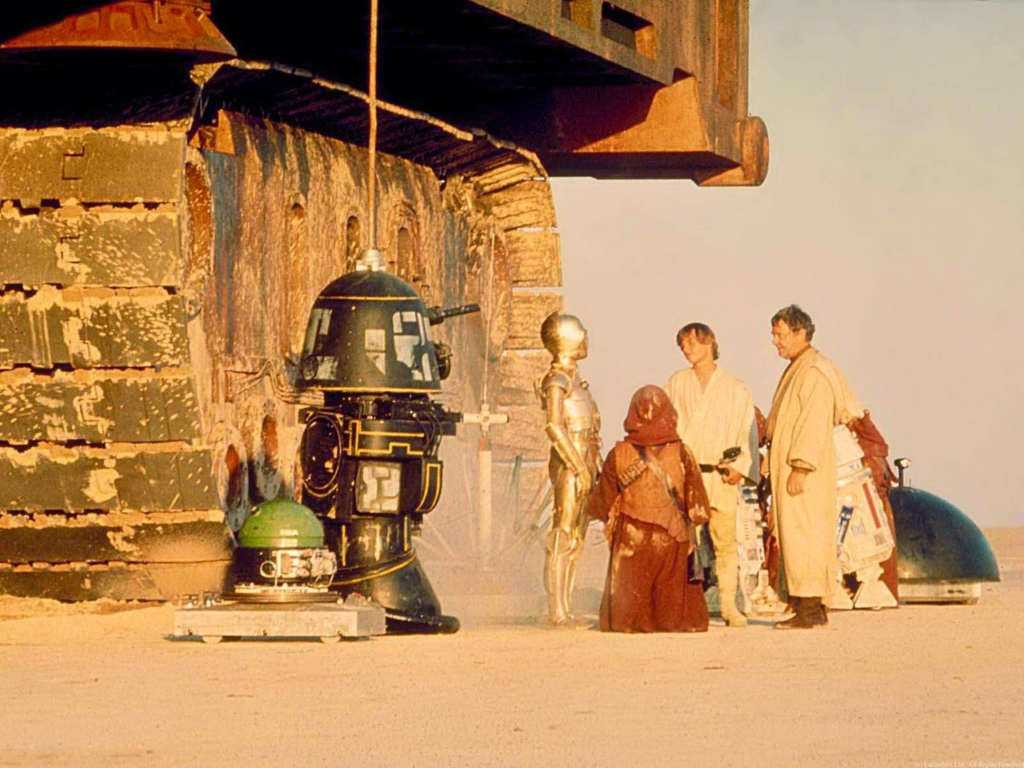
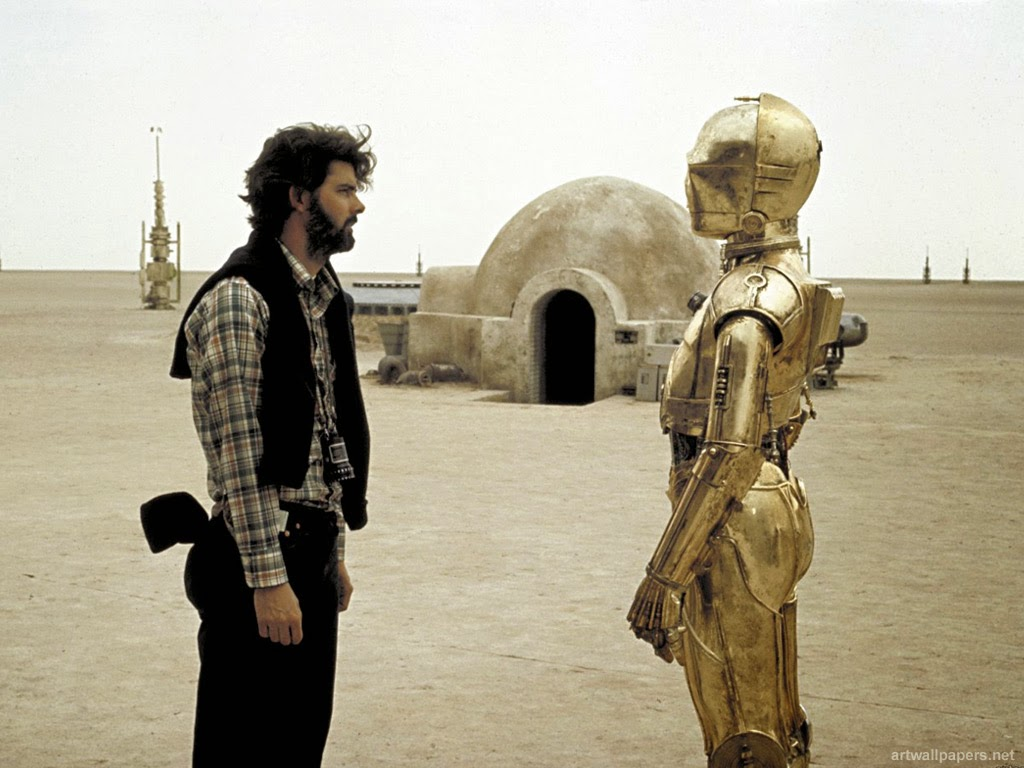
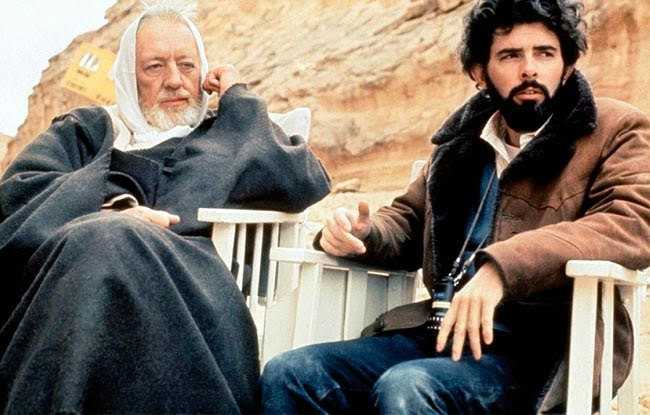
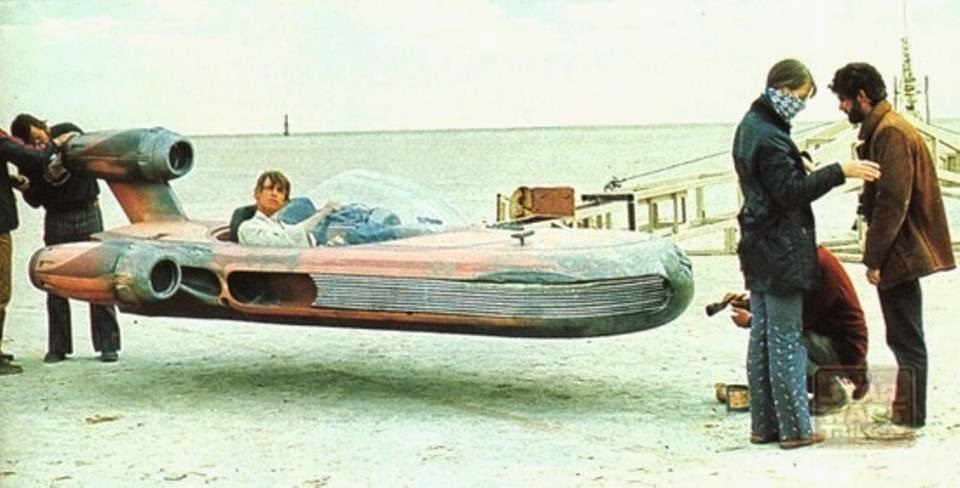
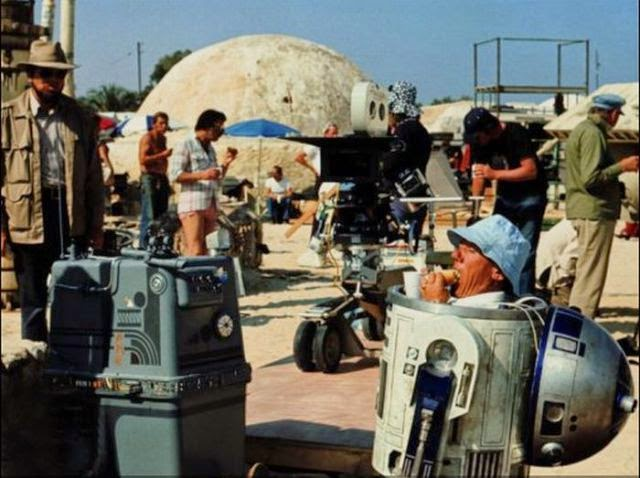
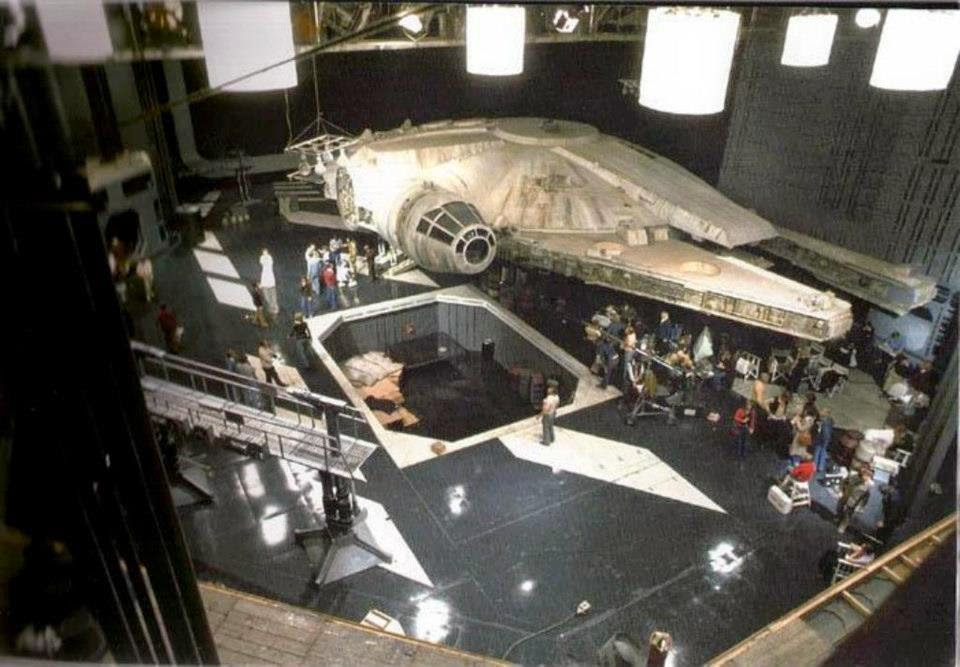
Under Lucas’s direction, the project stretched across roughly four years of production, with filming taking place in Tunisia, Death Valley, and on soundstages in England.
When it premiered on May 25, 1977, Star Wars—later renamed Star Wars: Episode IV – A New Hope—became an instant smash hit and launched what would grow into a cultural juggernaut.
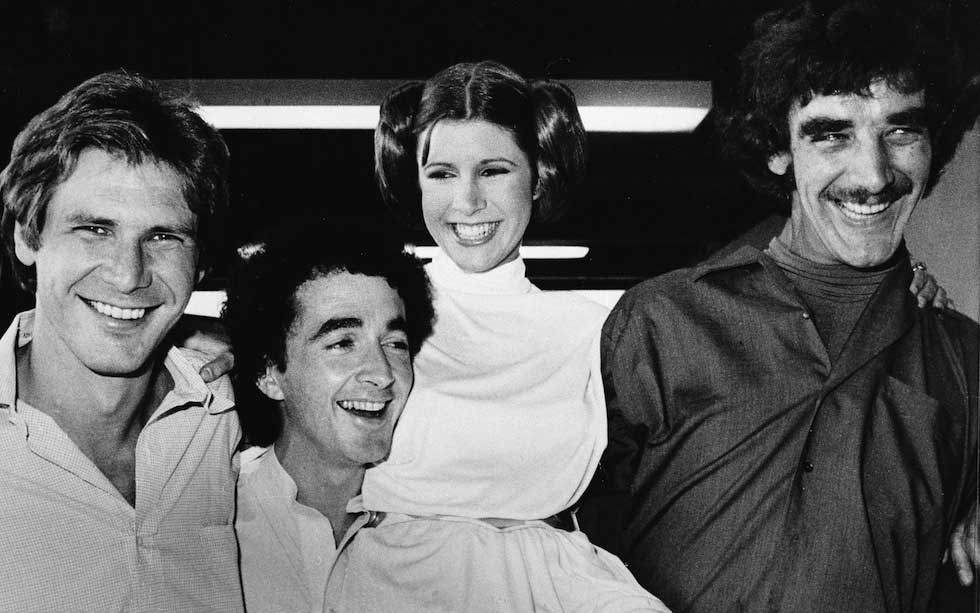
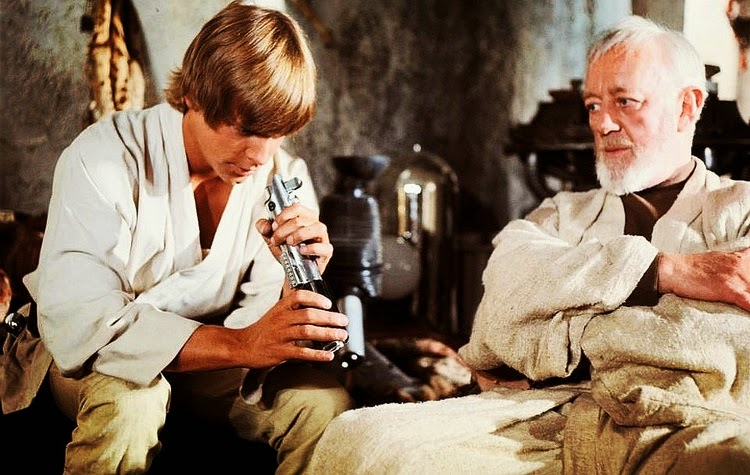
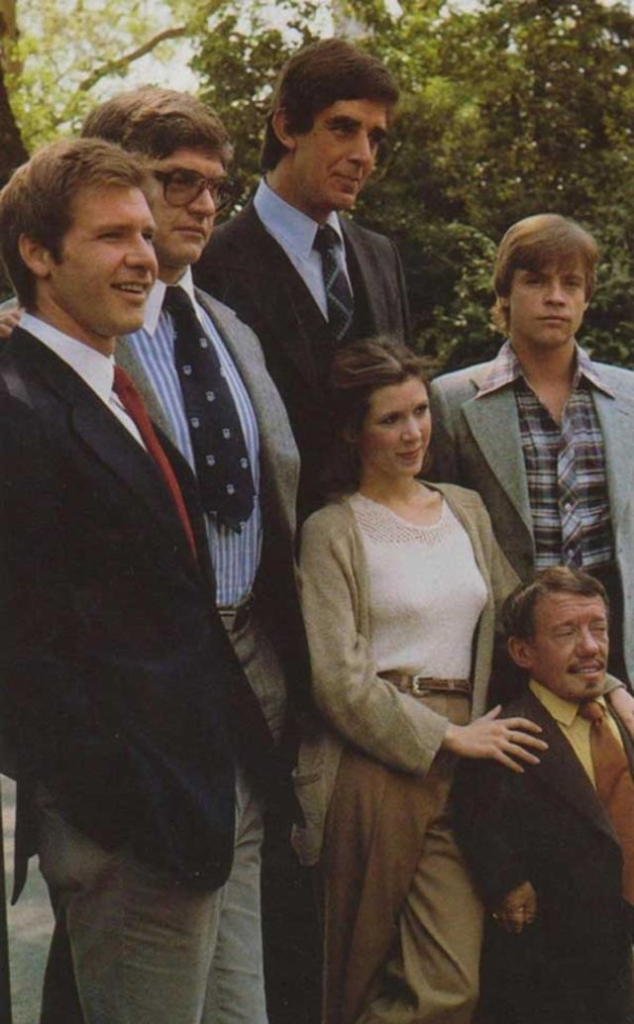
A sweeping space adventure set “a long time ago in a galaxy far, far away,” the story follows Luke Skywalker, played by then up-and-coming Mark Hamill, as he’s pulled into a sprawling conflict between a ruthless empire and a determined rebel uprising.
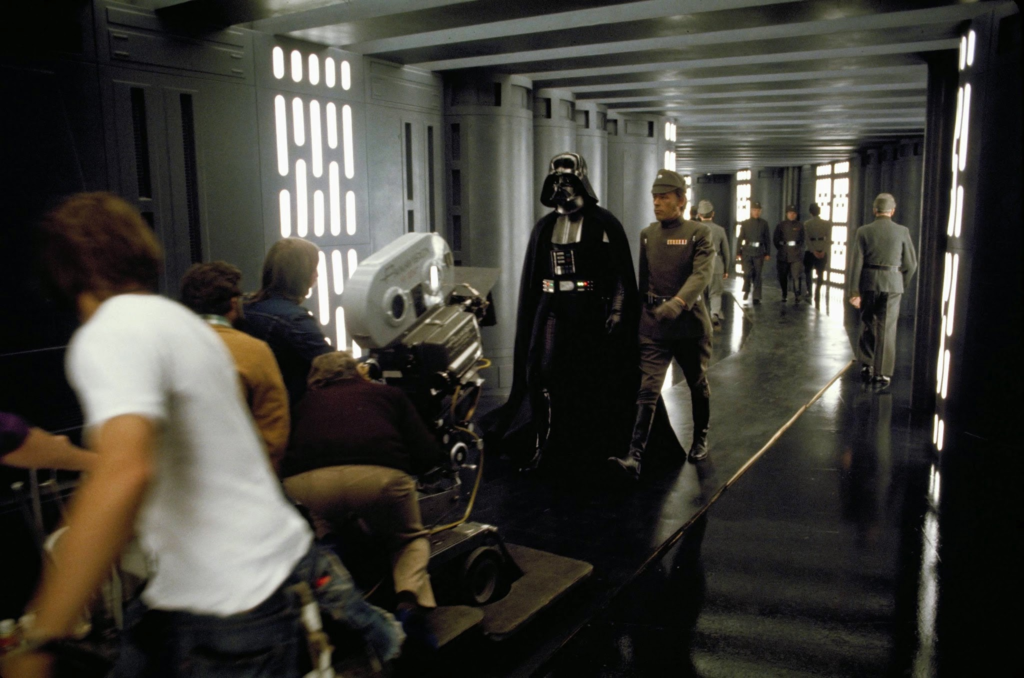
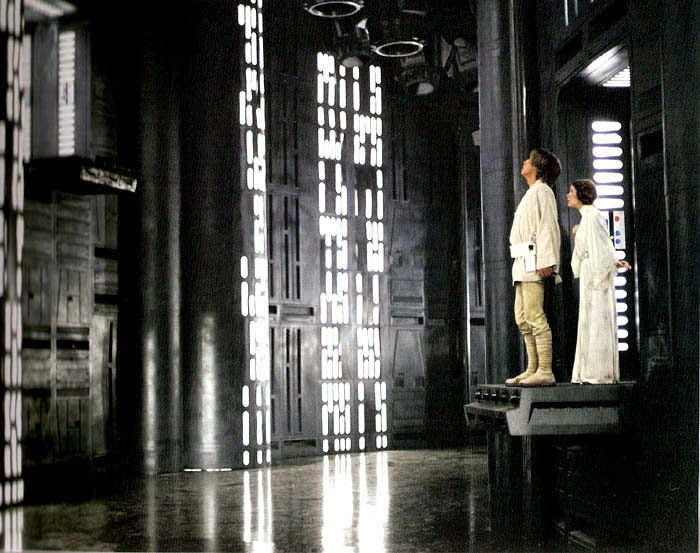
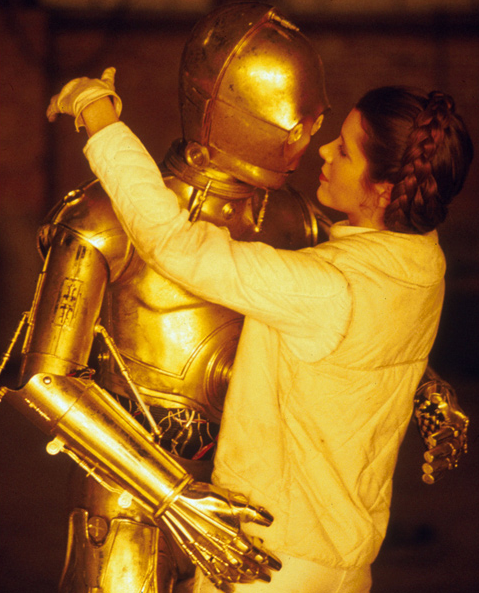
Alongside the quick-thinking smuggler Han Solo (played by Harrison Ford), Luke takes on a high-stakes mission: rescue Princess Leia (portrayed by Carrie Fisher) from imprisonment aboard a gigantic space station under the control of the terrifying Darth Vader—whose booming, machine-enhanced voice, performed by James Earl Jones, quickly became one of the most unforgettable sounds in movie history.
At the heart of the movie—and the universe it launched—are the Jedi Knights, powerful warriors who can be heroic or sinister, depending on how they choose to use the the Force: an invisible, ever-present spiritual energy that shapes the ongoing struggle between light and darkness. Driving much of the story is Luke Skywalker and his determination to earn a place among them.
The film took home six Academy Awards, plus a special-achievement honor recognizing its breakthroughs in sound, and it helped reshape Hollywood by pushing special effects into a whole new era. George Lucas’s effects company,
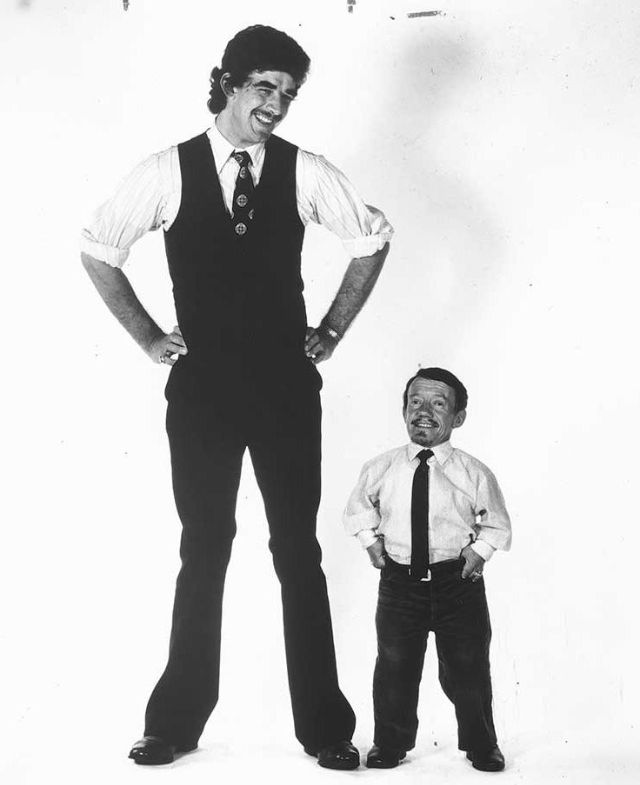
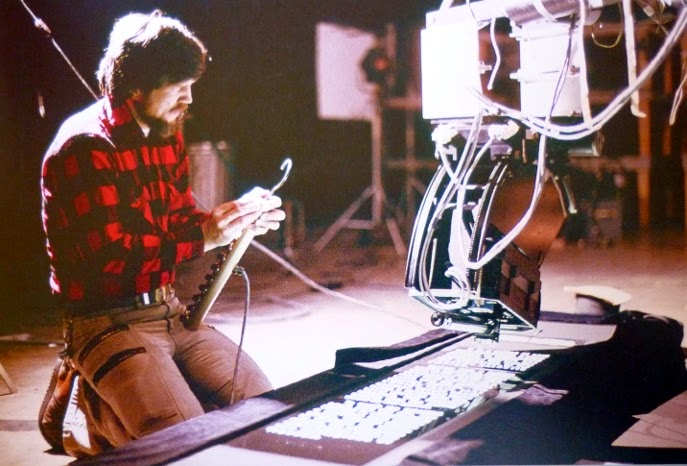
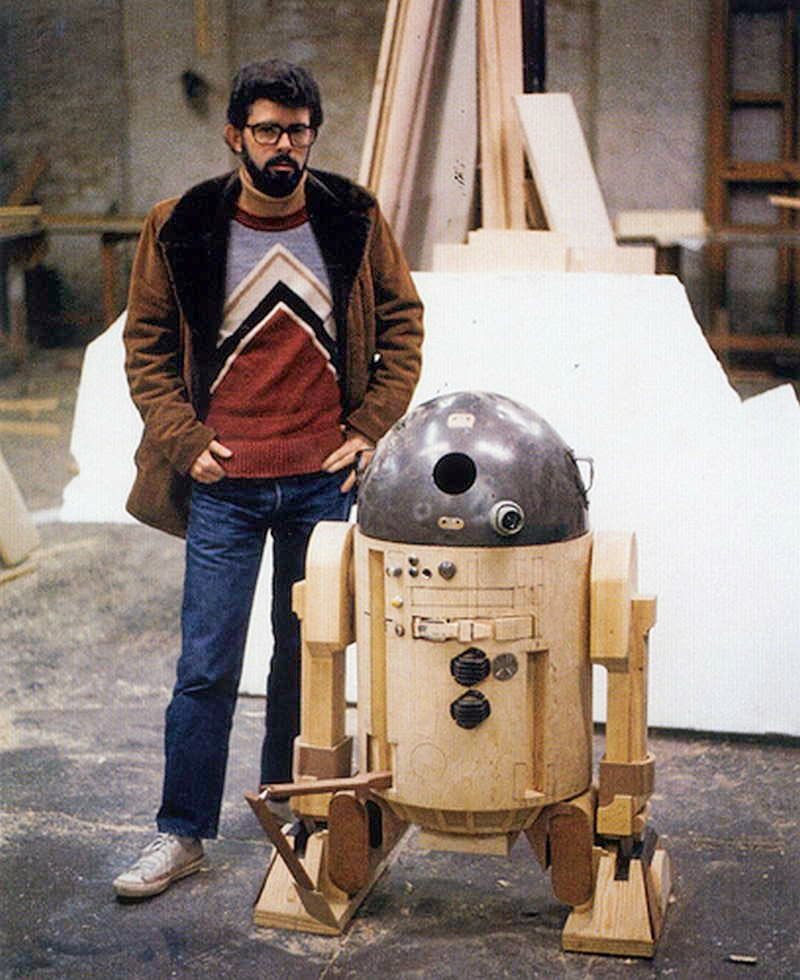
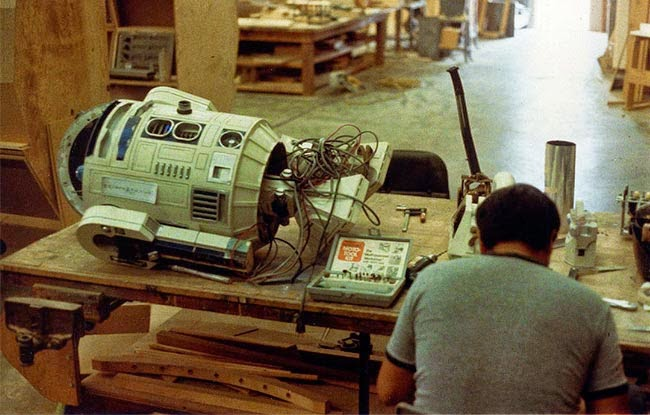
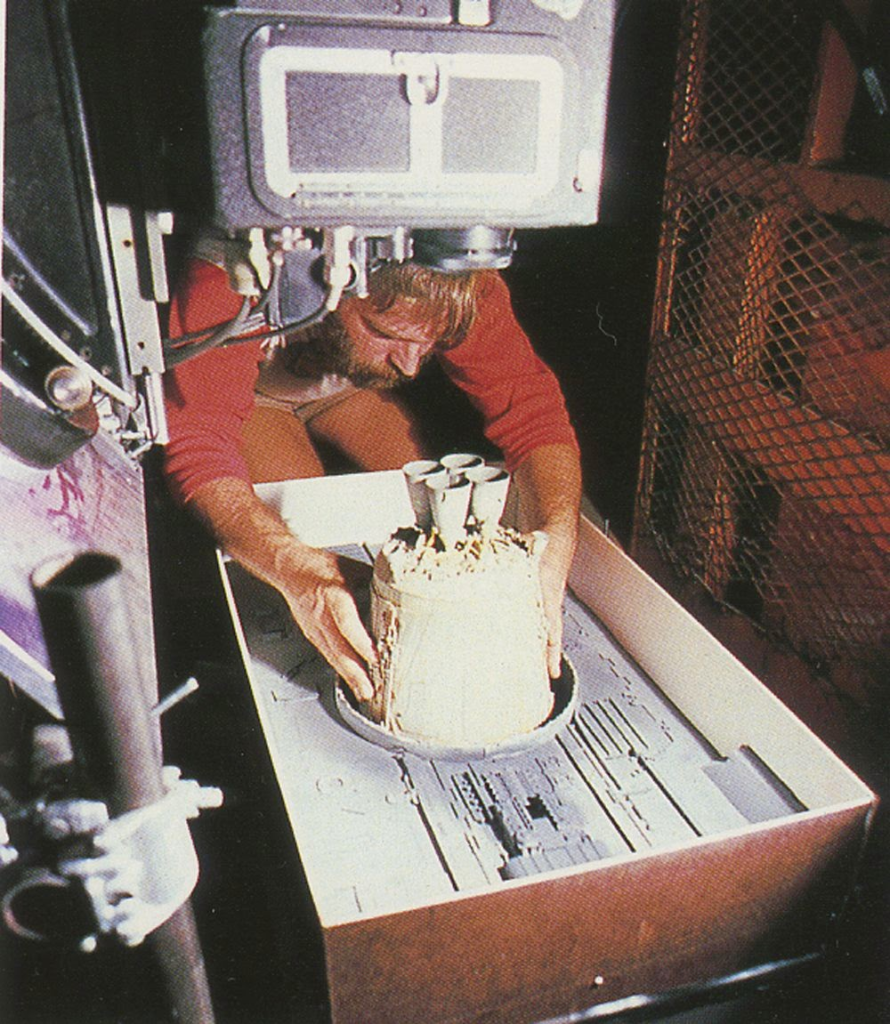
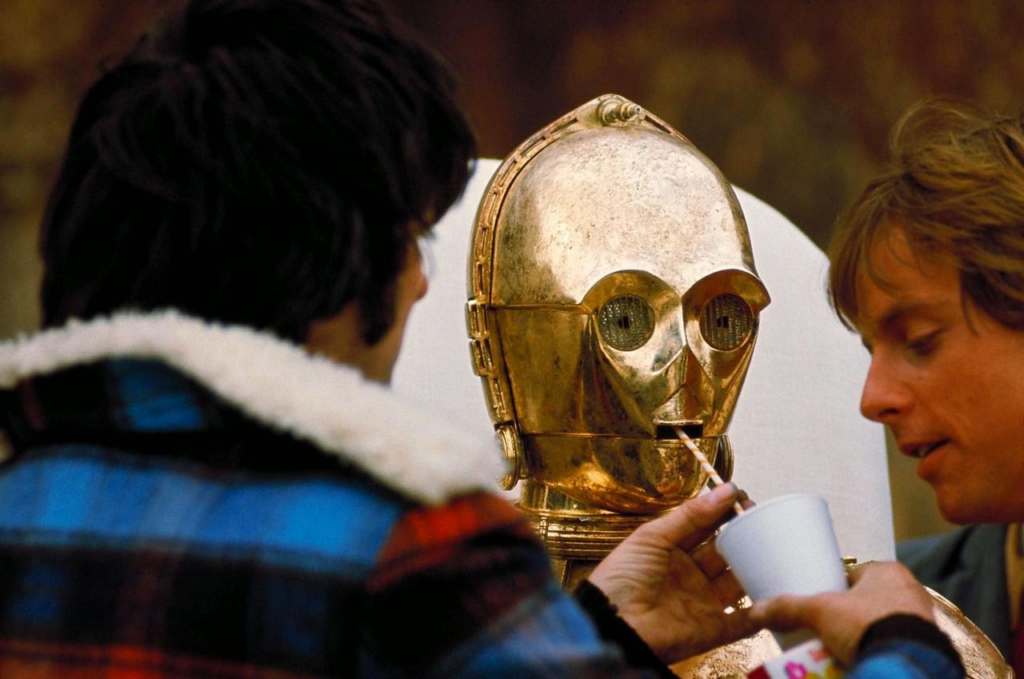
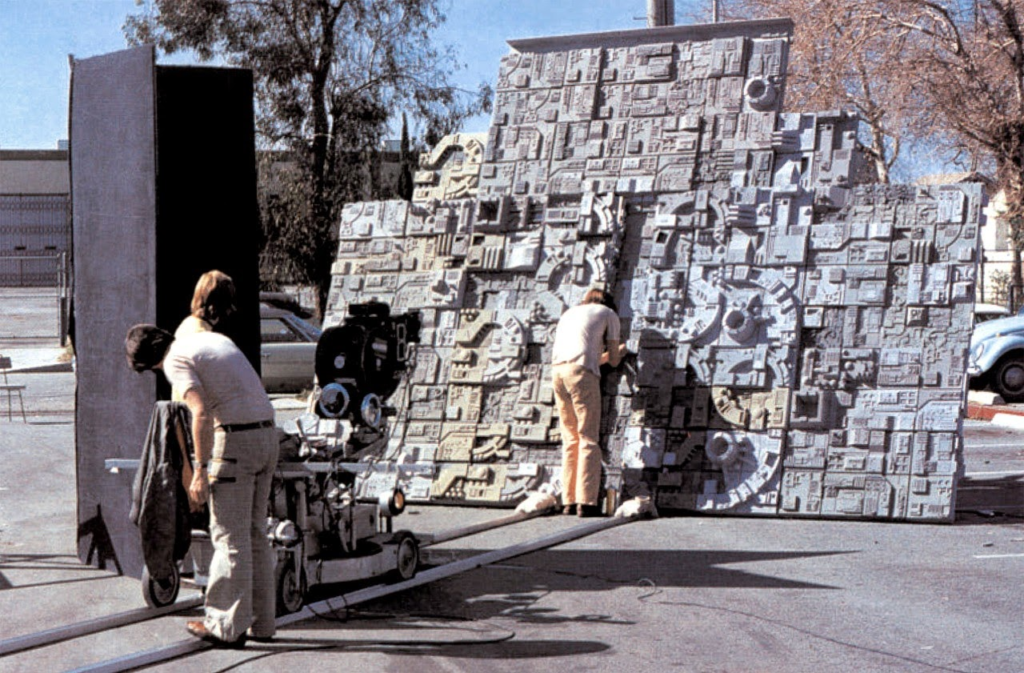
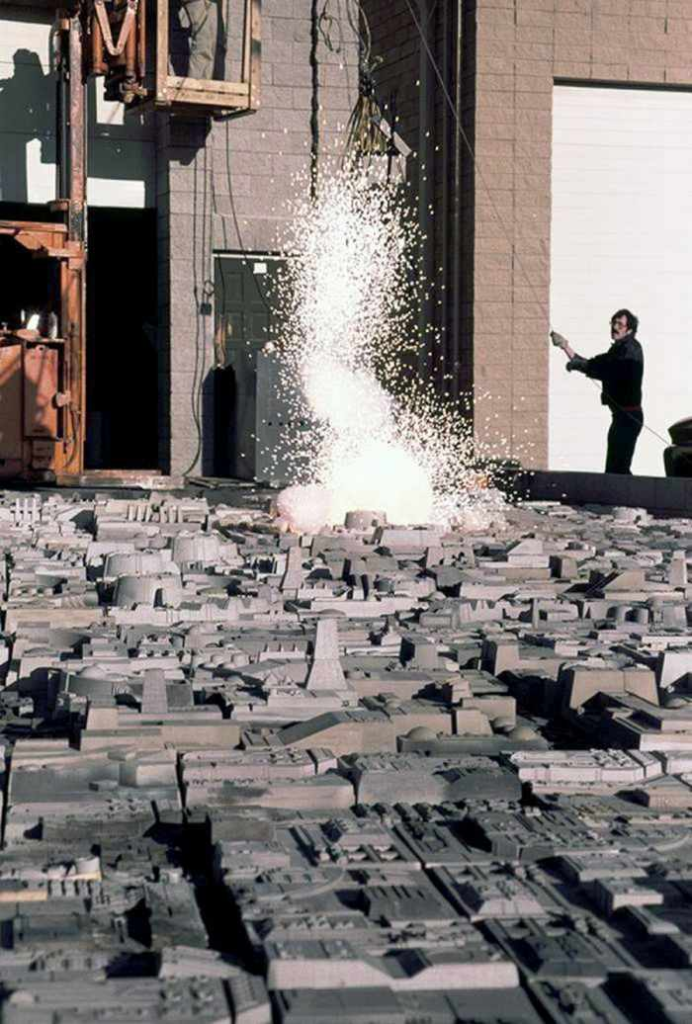
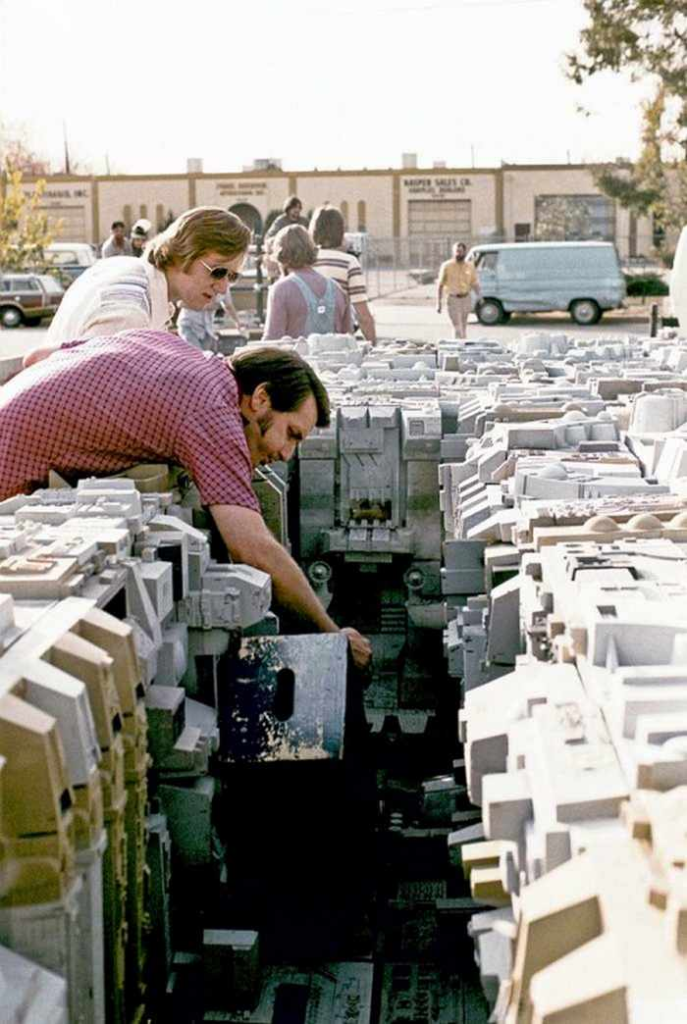
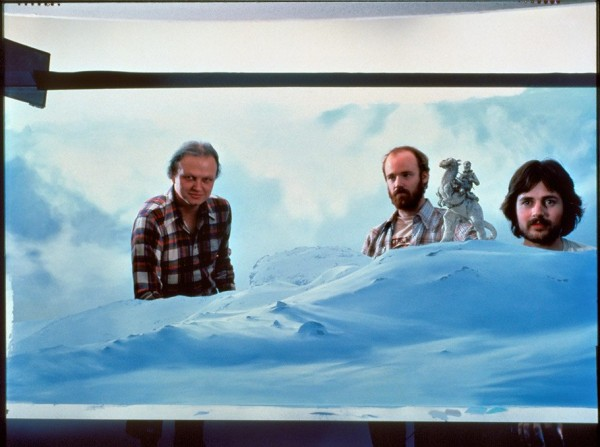
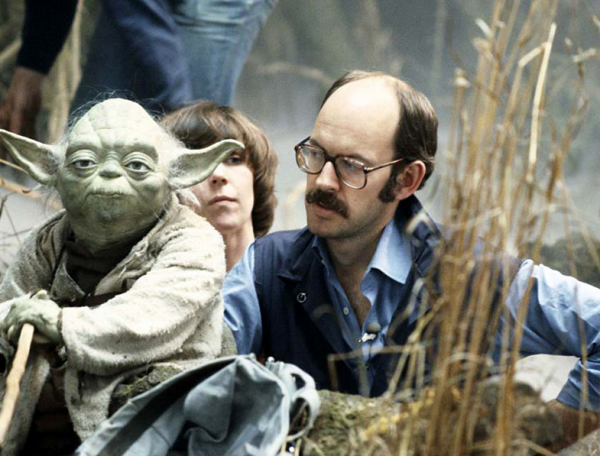
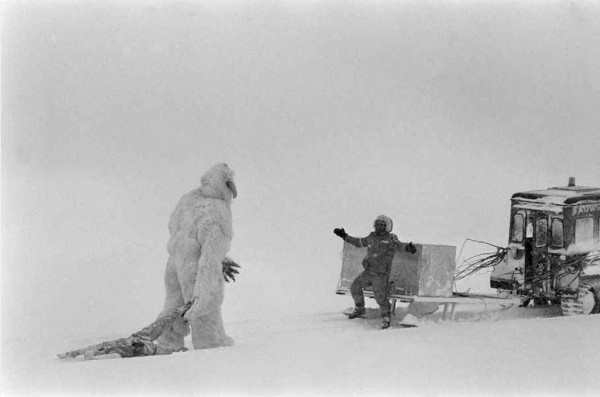
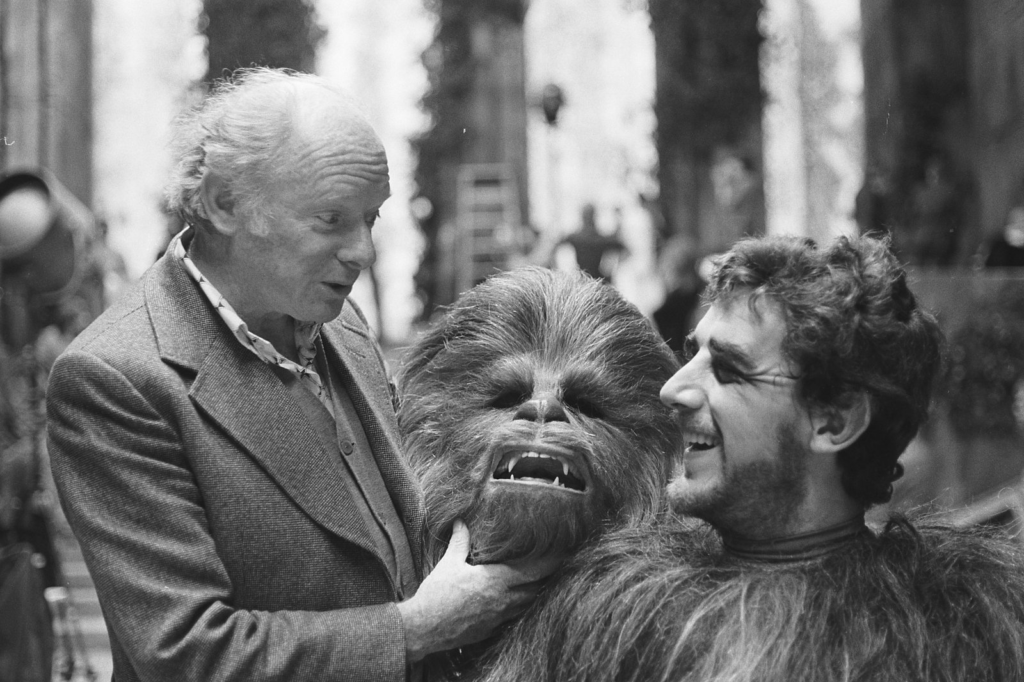
Industrial Light & Magic (ILM) brought the galaxy to life by creating an entire parade of inventive alien beings and mechanical “droids,” filling the story with strange worlds and unforgettable settings.
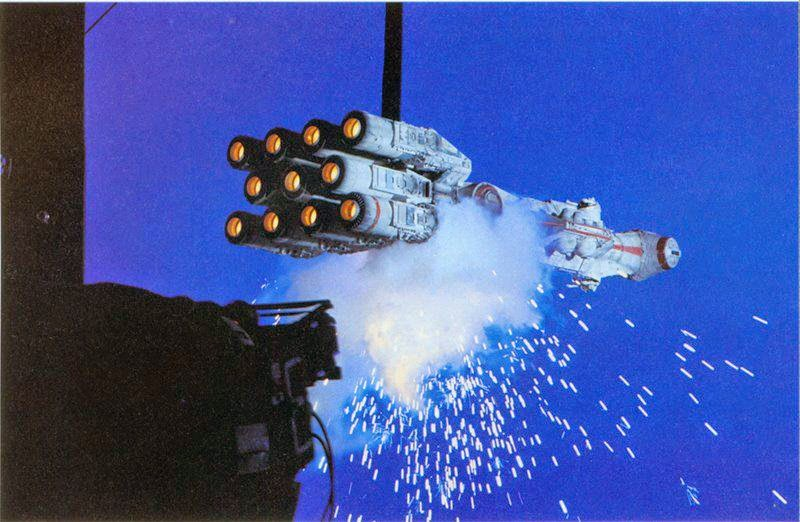
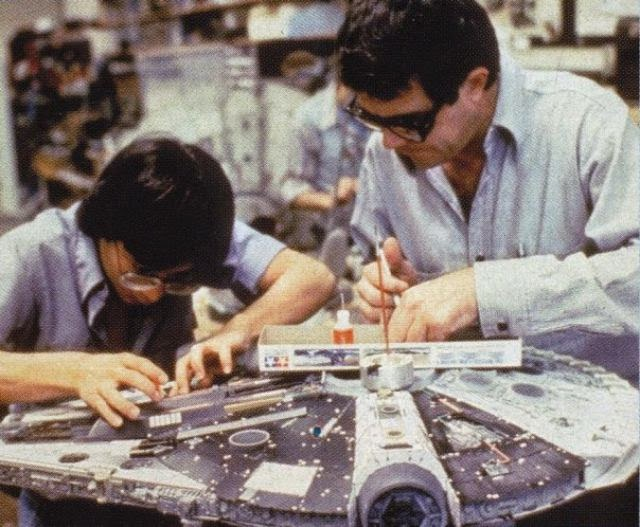
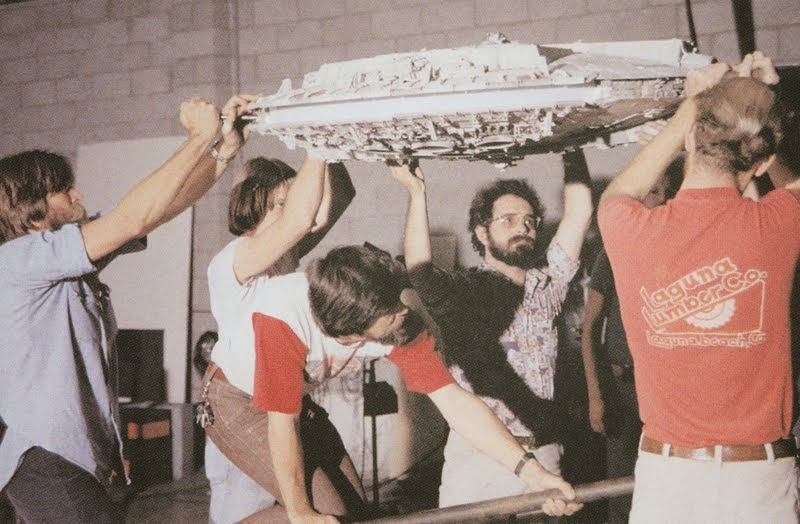
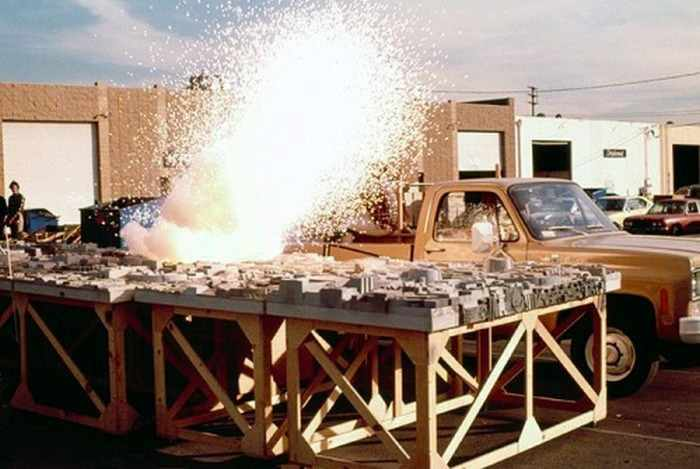
Even so, many fans still point to the space combat as the real showstopper—especially the intricate battle sequences pulled off using carefully built scale miniatures.
Over time, the Star Wars saga has left a massive mark on pop culture, with lines, characters, and references from its universe turning up everywhere and becoming part of everyday conversation.
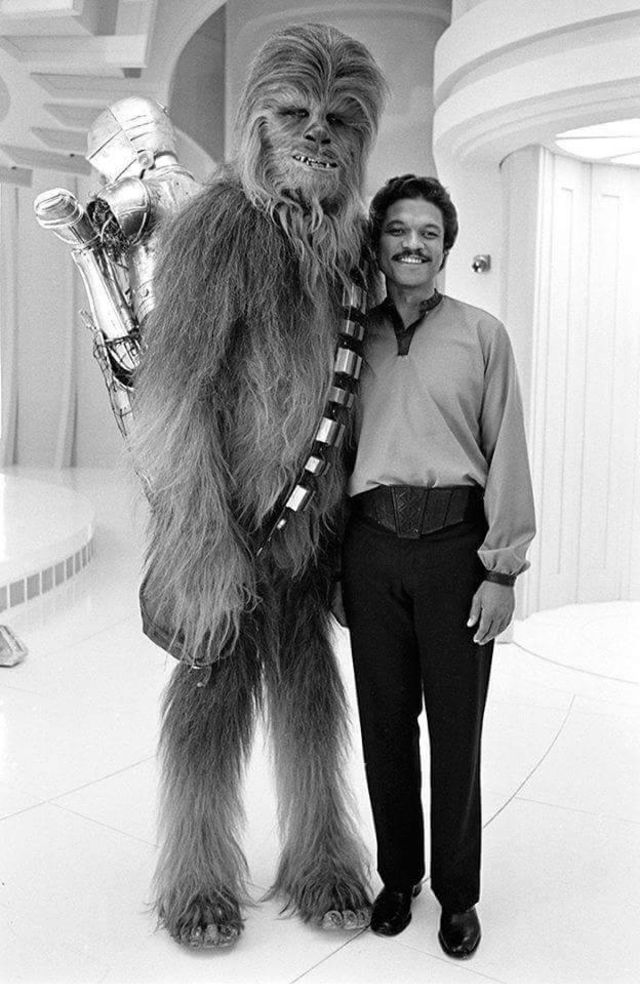
Lines such as “evil empire” and “May the Force be with you” didn’t stay on the screen—they crossed into everyday speech and became instantly recognizable pop-culture shorthand.
When the first Star Wars movie arrived in 1977, it felt like something everyone could rally around, pulling in audiences from all walks of life and turning moviegoing into a shared event.
It also helped ignite the late-1970s and early-1980s surge in science fiction, pushing the genre out of the niche corner and into the center of mainstream entertainment.
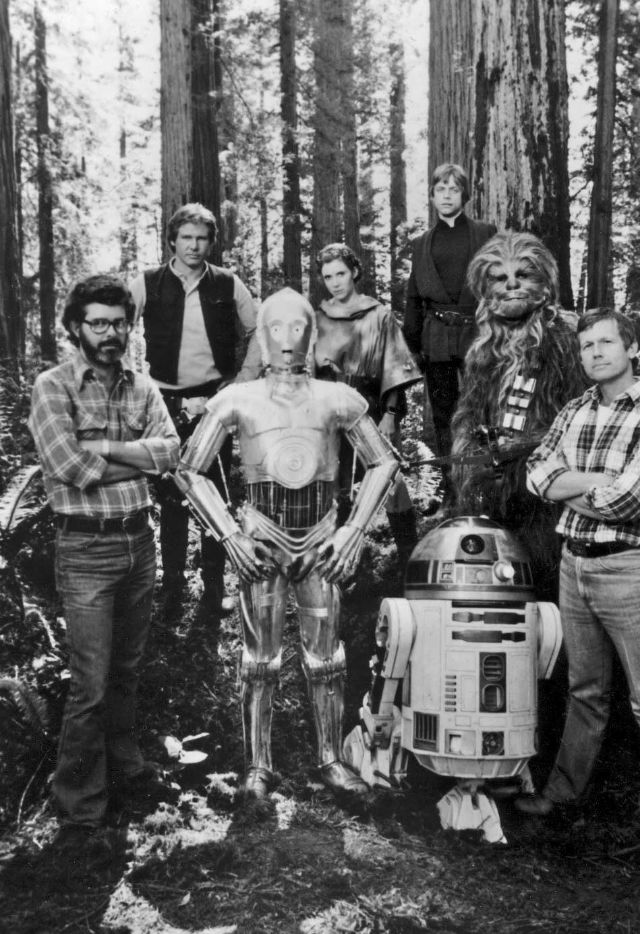
In 1989, the Library of Congress chose the original Star Wars film for long-term preservation in the National Film Registry, recognizing it as “culturally, historically, or aesthetically significant.”
That honor later expanded to other classics in the trilogy: The Empire Strikes Back was added in 2010, and Return of the Jedi followed in 2021.
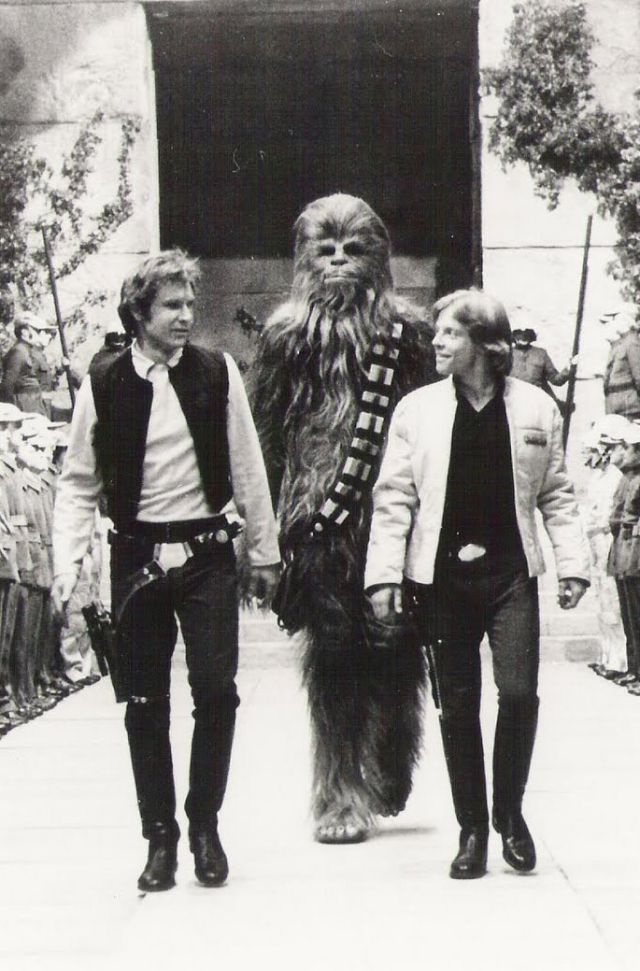
Star Wars didn’t just become a hit—it reshaped what big Hollywood movies looked and felt like. Its success helped shift the industry’s priorities away from smaller, drama-driven storytelling built around heavy themes and irony, and toward massive, effects-packed event films designed to overwhelm audiences with scale, spectacle, and nonstop momentum. That change didn’t just influence style; it altered how studios planned, marketed, and financed their biggest releases.
Before Star Wars, movie special effects hadn’t made major leaps forward since the 1950s. Once the film proved how profitable visual spectacle could be, it kicked off a late-1970s surge in cutting-edge effects work, pushing filmmakers to chase more advanced techniques and bigger on-screen ambitions.
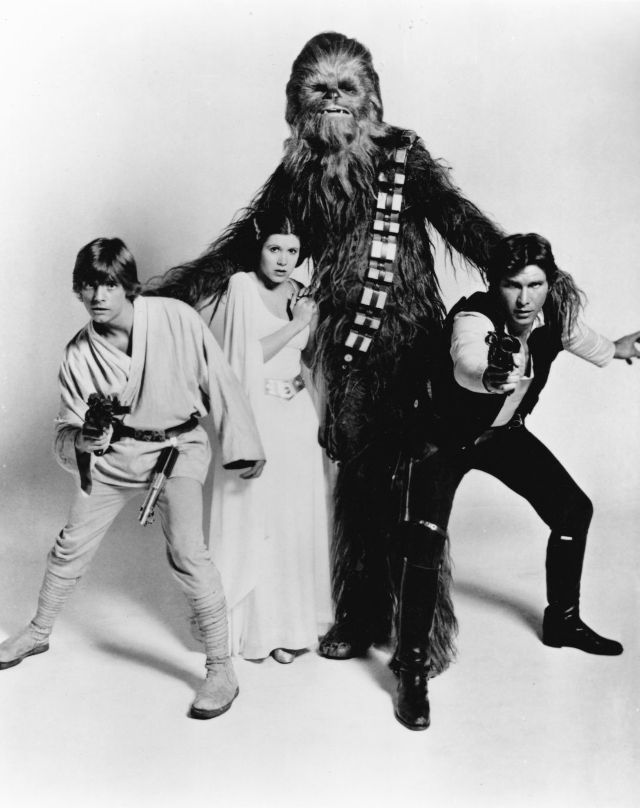
Together with Jaws, Star Wars helped establish the modern summer-blockbuster playbook—huge releases launched on tons of screens at once, built to dominate the season and ideally grow into long-running franchises.
It also set a powerful template for big-budget trilogies and proved something studios could no longer ignore: licensing and merchandising tied to a movie could bring in staggering revenue—sometimes even out-earning the film itself.”
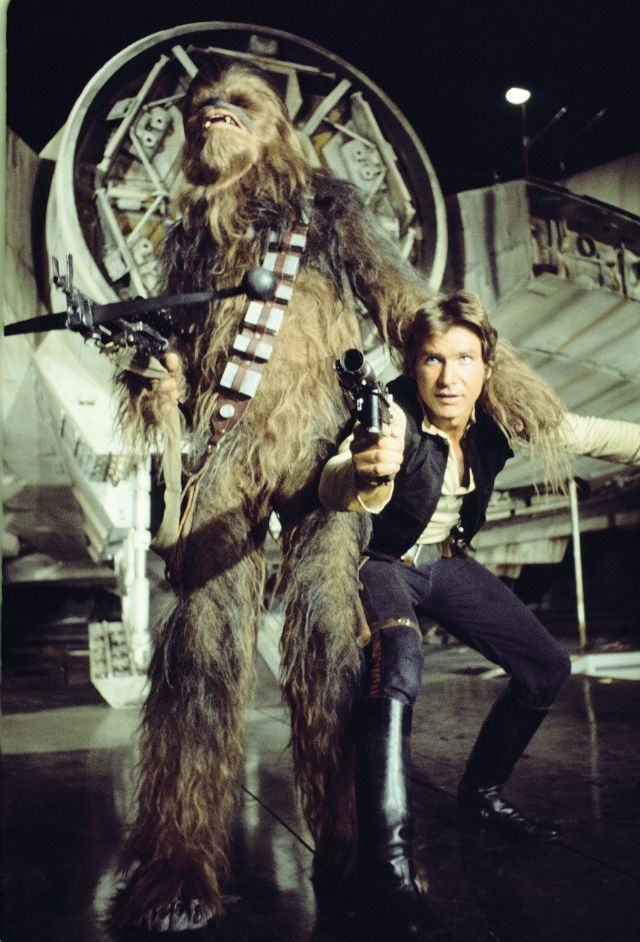
Film critic Roger Ebert argued in The Great Movies that Star Wars belongs in the same “technical turning point” conversation as The Birth of a Nation and Citizen Kane—a breakthrough that shaped how countless later films were made and presented.
In that sense, it helped kick off a fresh era of cutting-edge effects and fast-paced, crowd-pleasing spectacles. It also stood out for blending multiple genres into one punchy, easy-to-sell “high-concept” style that filmmakers could keep expanding for decades.
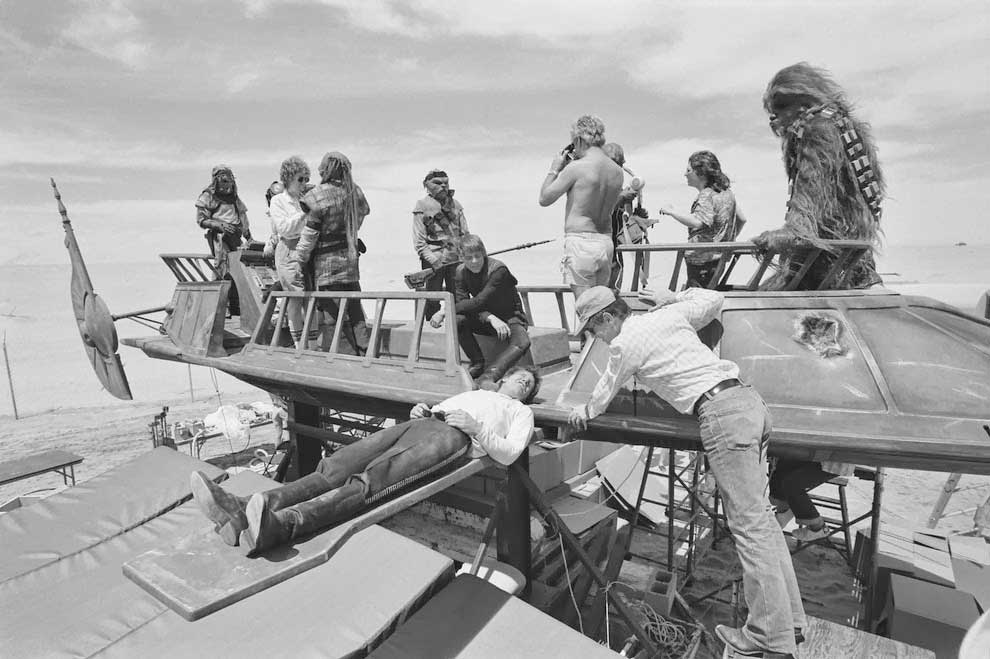
Finally, paired with Jaws from Steven Spielberg, Star Wars helped nudge Hollywood away from the more intimate, director-driven style that defined much of the 1970s and toward brisk, expensive, crowd-pleasing blockbusters aimed largely at younger audiences.
Some critics have even argued that Star Wars and Jaws “ruined” Hollywood—claiming they pulled attention away from more “sophisticated” films like The Godfather, Taxi Driver, and Annie Hall, replacing that era’s grounded storytelling with spectacle-heavy fantasy. They also point to the longer-term shift from stand-alone, self-contained movies to franchise machines built around sequels and prequels.
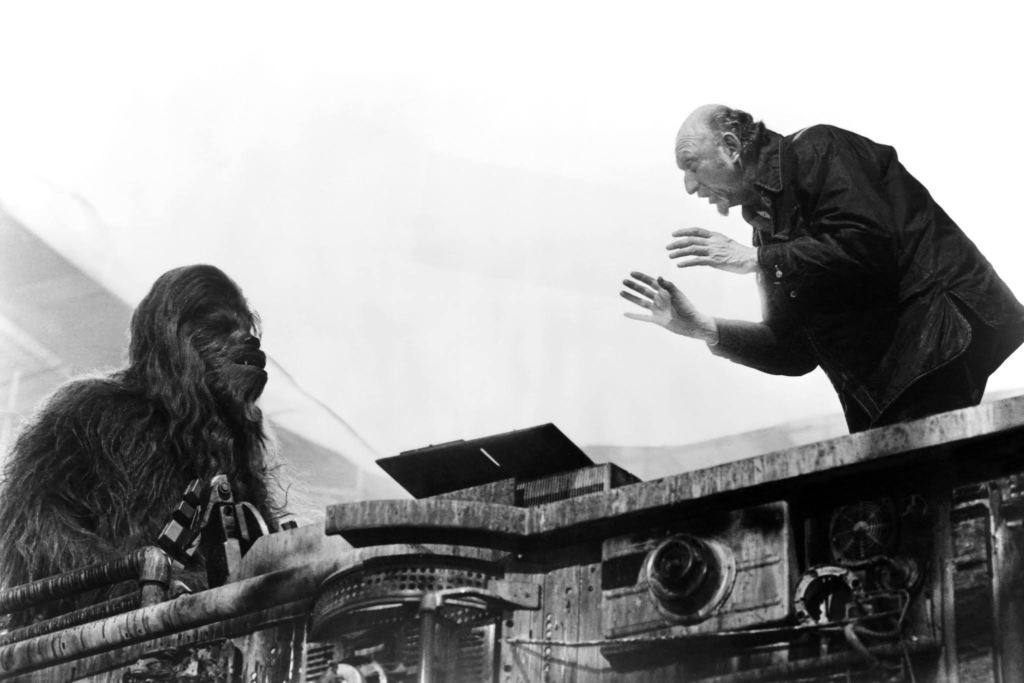
One outspoken critic, Peter Biskind, argued that George Lucas and Steven Spielberg effectively reversed the direction of the 1970s film audience—suggesting that viewers who had become more discerning through European and New Hollywood cinema were pushed back toward the simpler pleasures of an earlier, pre-1960s “Golden Age” sensibility, as if the industry had taken a deliberate step backward.
A very different take came from Tom Shone, who suggested the opposite: that Star Wars and Jaws didn’t “betray” cinema at all, but restored it to its most primal power—pure spectacle and wonder, like a carnival attraction or stage illusion. In that framing, the shift wasn’t a decline, but a kind of revitalization—almost a rebirth of what movies can do to an audience.